Who Built the Pyramids? Debunking the Slave Myth
Who built the pyramids of Egypt? Skilled paid workers, not slaves. Discover the real organization behind Giza and how the great pyramids were raised.
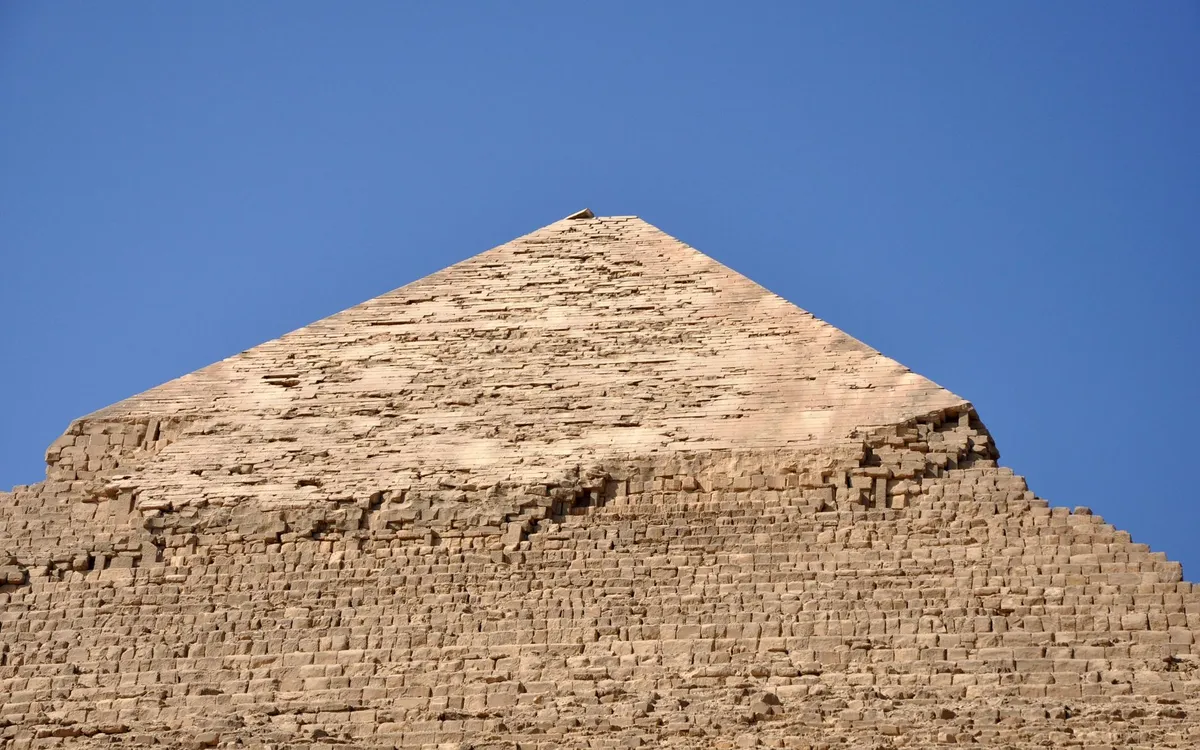
Few questions about ancient Egypt spark as much fascination as this one: who actually built the pyramids? For generations, films and novels painted a picture of endless lines of slaves dragging stone under the lash. The archaeological record tells a very different, and far more impressive, story.
The truth is that the pyramids of Giza were raised by a highly organized society of skilled laborers, seasonal workers, and dedicated craftsmen who were housed, fed, and paid. Understanding how they did it reveals one of history’s greatest feats of project management.
The Slave Myth and Where It Came From
The idea that Hebrew or foreign slaves built the pyramids has deep cultural roots, popularized in the 19th and 20th centuries by literature and cinema. Yet there is no archaeological evidence supporting it, and the chronology does not line up: the Great Pyramid of Giza was completed roughly a thousand years before the period traditionally associated with the biblical Exodus.
The Greek historian Herodotus, writing centuries after the pyramids were built, recorded secondhand tales of forced labor. Modern Egyptologists treat his account with caution, since he relied on stories told to him long after the events.
Tip: When you visit Giza, ask your guide about the workers’ cemetery discovered nearby in the 1990s. Its very existence near the pyramids quietly demolishes the slave theory.
The Workers’ Village at Giza
In the late 20th century, archaeologists including Zahi Hawass and Mark Lehner excavated an entire workers’ settlement south of the Giza plateau. The discoveries were revealing:
- Bakeries and breweries capable of producing large quantities of bread and beer, the staple rations of the workforce.
- Evidence of abundant meat consumption, including cattle, sheep, and goat, meaning workers ate well.
- A workers’ cemetery with tombs built from leftover construction materials, where laborers were buried with honor near the pharaoh they served.
Slaves are not given dignified burials beside kings. The care shown to these workers indicates respect and status, not bondage.
How the Workforce Was Organized
The labor force appears to have combined a permanent core of skilled artisans with a large rotating body of seasonal workers. Many of these seasonal laborers were likely farmers who worked on the pyramid during the annual Nile flood, when their fields lay underwater and agricultural work paused.
Inscriptions found inside relieving chambers of the Great Pyramid record the names of work gangs, with playful crew names such as “Friends of Khufu.” This kind of team identity points to organization and even pride rather than coercion.
| Group | Likely Role | Status |
|---|---|---|
| Master craftsmen | Stone cutting, casing, precision work | Permanent, skilled |
| Work gangs | Hauling and placing blocks | Organized crews with names |
| Seasonal laborers | Manpower during the flood season | Rotating, compensated |
| Support staff | Bakers, brewers, doctors, water carriers | Permanent settlement |
This was a state-organized enterprise, drawing on the wealth and administrative power of a unified kingdom under pharaohs like Khufu, Khafre, and Menkaure.
The Engineering Achievement
Without iron tools, pulleys as we know them, or the wheel for heavy transport, the Egyptians moved and placed millions of limestone and granite blocks with astonishing precision. Egyptologists believe they used copper tools, stone hammers, ramps, levers, and sledges, possibly aided by wetting the sand in front of sledges to reduce friction, an idea supported by a tomb illustration showing exactly that practice.
The planning required to feed, house, and coordinate thousands of people for decades was as remarkable as the stonework itself. The pyramids stand not as monuments to suffering, but as testaments to human ingenuity and collective organization.
If you want to stand at the base of these stones yourself and judge the scale firsthand, you can plan your trip to Giza and walk the plateau where this history was made.
Conclusion
The pyramids were not built by anonymous slaves but by a proud, fed, and paid Egyptian workforce operating within one of the most sophisticated organizational systems of the ancient world. Next time you see Giza, picture the bustling village, the bakeries, the named work crews, and the engineers behind one of humanity’s enduring wonders.
Tickets & activities in Giza
Some links on EgyptInterActive are affiliate links: if you book through them we may earn a commission, at no extra cost to you. It never changes our recommendations.
Keep reading
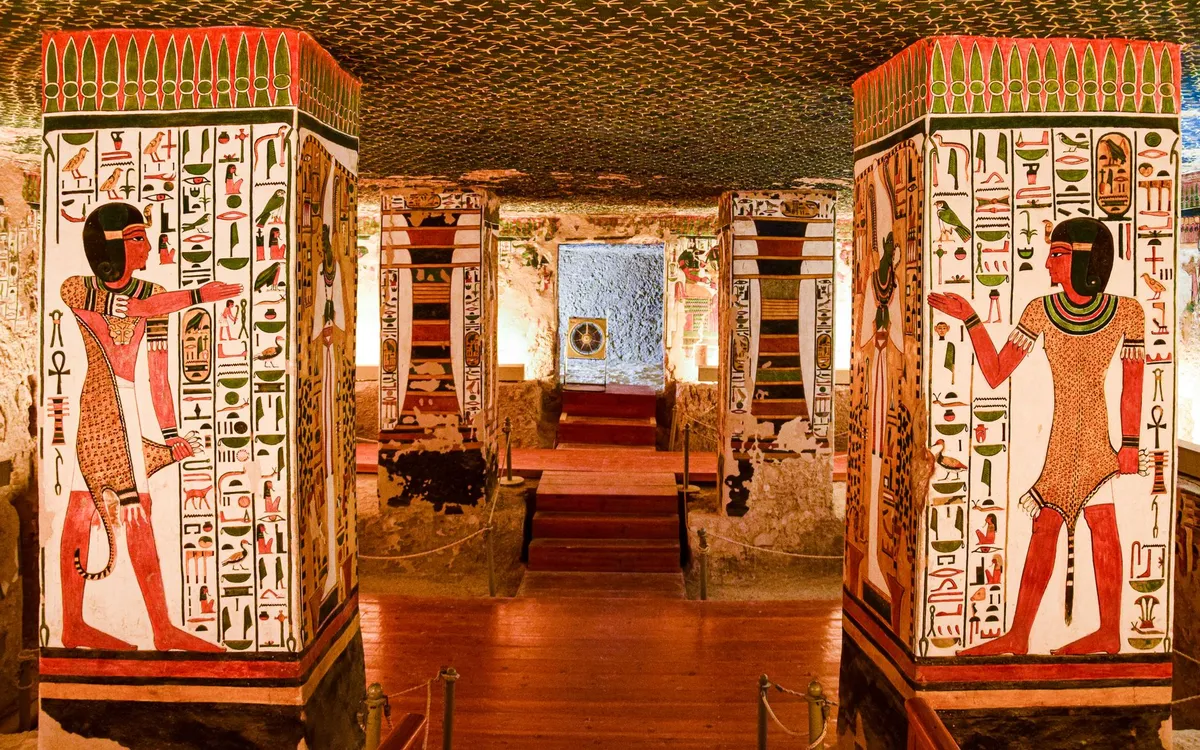
The Curse of the Pharaohs: Fact, Fiction and the Real Story
Did a deadly curse strike those who opened Tutankhamun's tomb? Separating the legend of the pharaohs' curse from the facts.
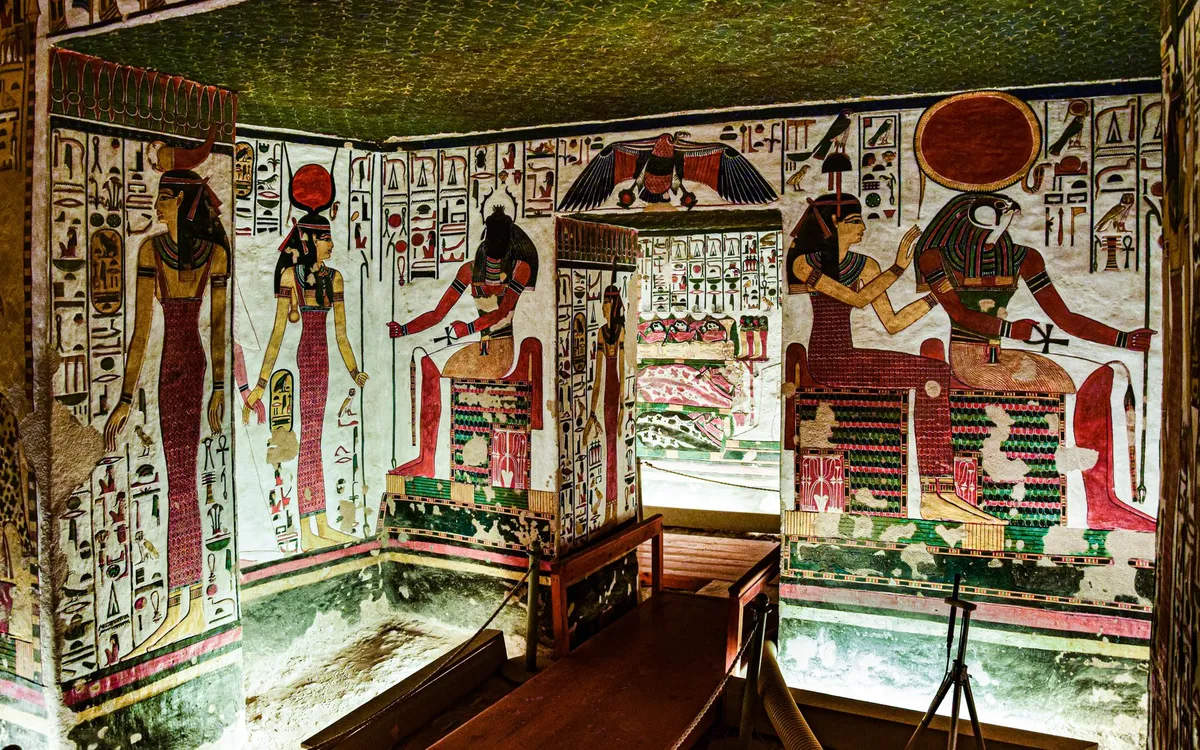
The Book of the Dead Explained: Judgment and the Weighing of the Heart
A guidebook for the afterlife: discover the Book of the Dead, the weighing of the heart, and the goddess Maat who held the cosmos in balance.
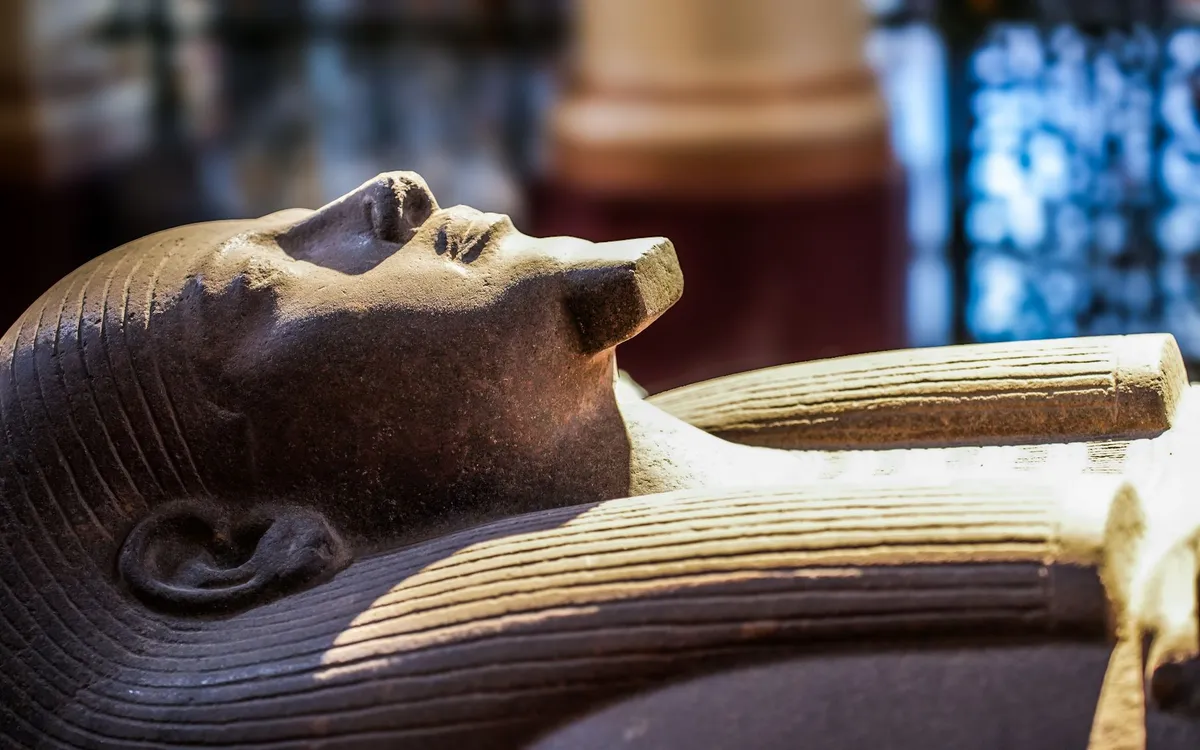
How Mummies Were Made: Mummification Step by Step
From removing the brain to seventy days in natron salt, discover how the ancient Egyptians turned the dead into eternal mummies.