How Mummies Were Made: Mummification Step by Step
How were Egyptian mummies made? A step-by-step guide to ancient mummification, canopic jars, natron, wrapping and the beliefs about the afterlife.
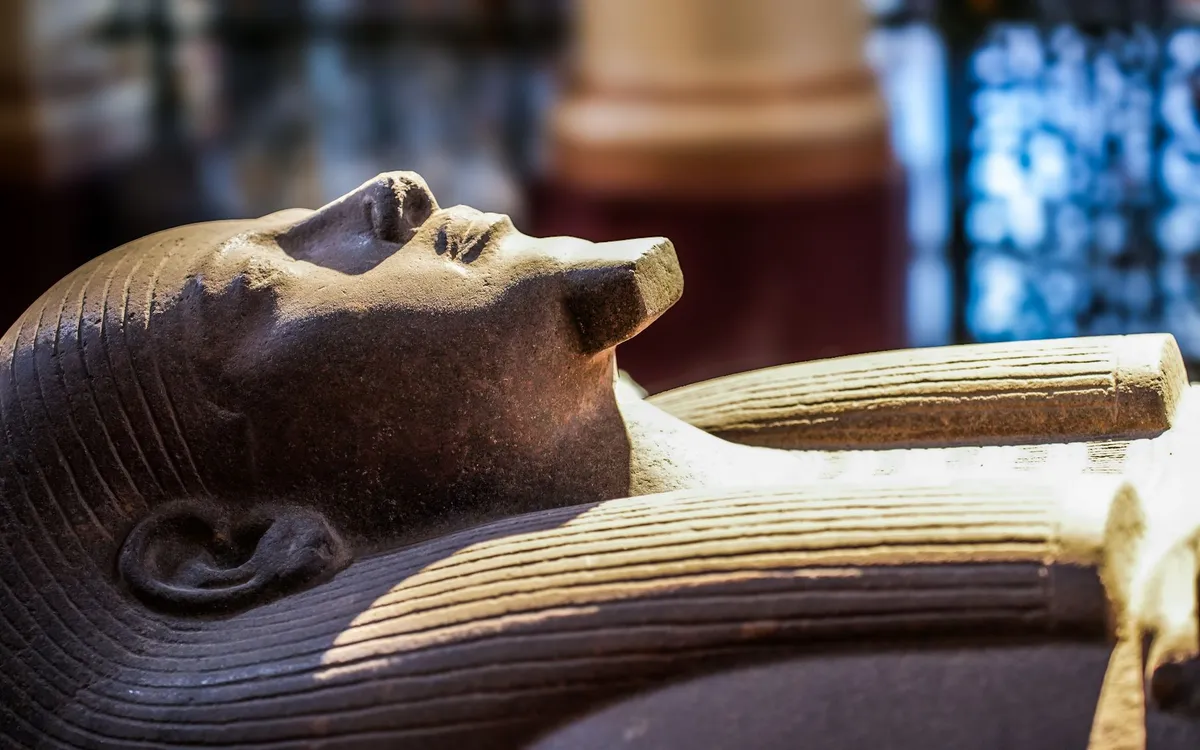
Mummification is one of the most striking and misunderstood practices of ancient Egypt. Far from being macabre for its own sake, it was a sacred, highly skilled process rooted in profound beliefs about the afterlife.
To the Egyptians, preserving the body was essential for eternal life. Here is how their embalmers transformed a corpse into a mummy, step by step, and why they went to such extraordinary lengths.
Why the Egyptians Mummified the Dead
Egyptian belief held that a person was made up of several spiritual elements, including the ka (life force) and the ba (personality). For the deceased to live on in the afterlife, these elements needed a recognizable, preserved body to return to.
If the body decayed, the soul could be lost. Mummification therefore was not vanity but a religious necessity, ensuring the deceased could be reborn and dwell in the Field of Reeds, the Egyptian paradise. Originally a privilege of royalty, the practice gradually spread to officials and, in time, to anyone who could afford it.
Tip: The quality of mummification varied with wealth. The Greek historian Herodotus described several price tiers, from elaborate royal treatment to far simpler methods for the poor.
The Step-by-Step Process
The full embalming process traditionally took around seventy days and followed a careful sequence carried out by specialist priests:
- Purification. The body was washed, often with water from the Nile and palm wine.
- Removal of the brain. Embalmers extracted the brain, frequently through the nostrils, and discarded it, as the Egyptians did not value it.
- Removal of the organs. Through an incision in the abdomen, the lungs, liver, stomach, and intestines were removed. The heart was usually left in place.
- Drying with natron. The body and organs were packed and covered in natron, a natural salt, to draw out all moisture over roughly forty days.
- Anointing and stuffing. The dried body was rubbed with oils and resins and packed with linen or other materials to restore its shape.
- Wrapping. The body was wrapped in many layers of linen bandages, with protective amulets placed between the layers.
- Final rites. The wrapped mummy was placed in coffins, and priests performed rituals to prepare it for the journey ahead.
The Heart and the Canopic Jars
Two details reveal the Egyptians’ beliefs especially well. First, the heart was deliberately left inside the body. Egyptians considered the heart, not the brain, to be the seat of intelligence, emotion, and morality. It would be needed for the judgment in the afterlife, where it was weighed against the feather of truth.
Second, the removed organs were not thrown away but preserved separately in four containers known as canopic jars. Each jar was protected by one of the Four Sons of Horus:
| Canopic jar | Guardian | Organ protected |
|---|---|---|
| Human-headed | Imsety | Liver |
| Baboon-headed | Hapy | Lungs |
| Jackal-headed | Duamutef | Stomach |
| Falcon-headed | Qebehsenuef | Intestines |
These jars were placed in the tomb near the body, so the deceased would be complete in the afterlife.
Mummification and the Afterlife Journey
Mummification was only the beginning. The preserved body was equipped for eternity with grave goods, food, furniture, and protective spells from funerary texts. The “Opening of the Mouth” ceremony was performed to magically restore the deceased’s senses, allowing them to eat, speak, and breathe in the next world.
Today, you can come face to face with this ancient science at Cairo’s museums, where royal mummies and beautifully painted coffins are displayed. Standing before a mummy thousands of years old is a profound reminder of how seriously the Egyptians prepared for eternity. You can plan your trip to see these treasures in person.
Conclusion
Mummification was a remarkable fusion of religious devotion, medical knowledge, and craftsmanship. Every step, from the natron drying to the canopic jars, served the single goal of eternal life. Understanding the process transforms a museum mummy from a curiosity into a window onto one of history’s most spiritually ambitious civilizations.
How Mummies Were Made: Mummification Step by Step
Skip the queues and secure your spot — book your tickets and tours through our trusted partner Tiqets.
Check tickets on TiqetsTickets & activities in Cairo
Some links on EgyptInterActive are affiliate links: if you book through them we may earn a commission, at no extra cost to you. It never changes our recommendations.
Keep reading
The Curse of the Pharaohs: Fact, Fiction and the Real Story
Did a deadly curse strike those who opened Tutankhamun's tomb? Separating the legend of the pharaohs' curse from the facts.
The Book of the Dead Explained: Judgment and the Weighing of the Heart
A guidebook for the afterlife: discover the Book of the Dead, the weighing of the heart, and the goddess Maat who held the cosmos in balance.
Cleopatra VII: Separating the Facts from the Myths
Brilliant ruler or seductress of legend? Discover the real Cleopatra VII behind two thousand years of myth.