The Curse of the Pharaohs: Fact, Fiction and the Real Story
The curse of the pharaohs explained: how the myth began with Tutankhamun's tomb, the death of Lord Carnarvon, and what science says about cursed tombs.
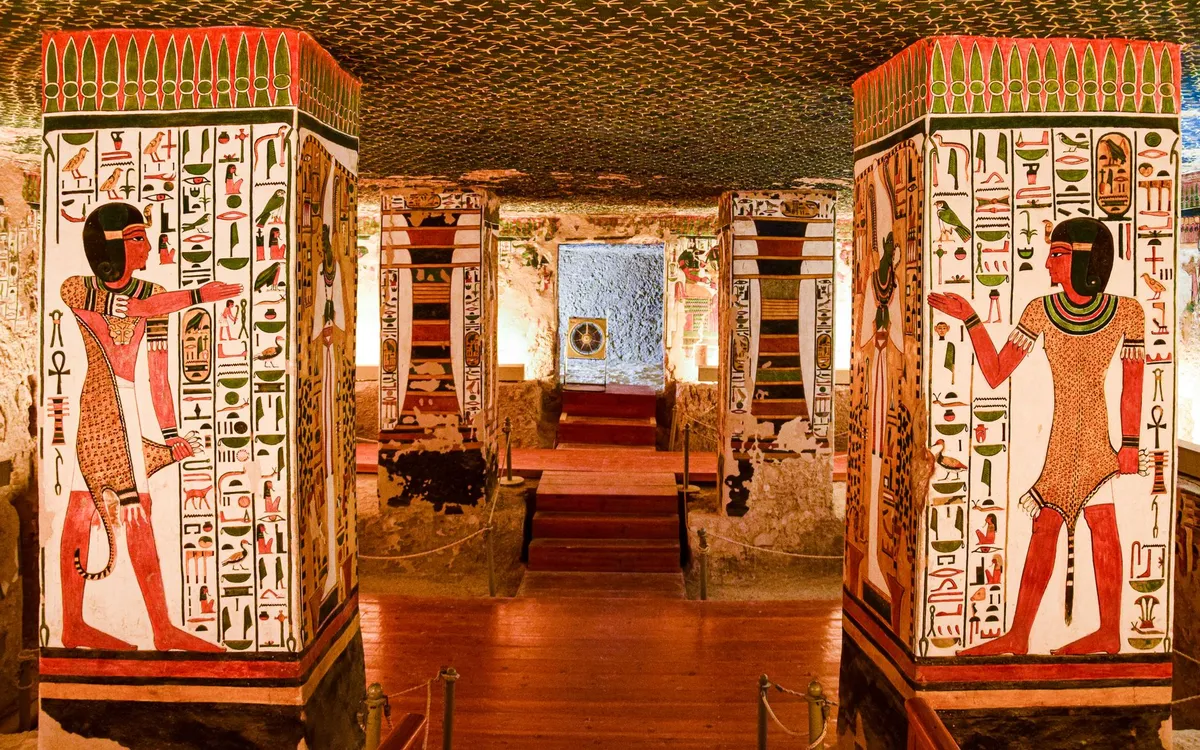
Few legends about ancient Egypt are as thrilling, or as persistent, as the “curse of the pharaohs.” The idea that disturbing a royal tomb brings death and misfortune has fueled novels, films, and a century of headlines. But where did it come from, and is there anything to it?
The truth is a fascinating mix of genuine history, sensational journalism, and human imagination. Let us trace the origins of the curse and weigh the legend against the evidence.
Where the Curse Legend Began
The modern curse legend exploded after the 1922 discovery of Tutankhamun’s tomb by Howard Carter and his patron Lord Carnarvon. When Carnarvon died a few months after the tomb was opened, the press seized on the story, and the “curse of the pharaohs” was born in the world’s newspapers.
Sensational reporting fueled the frenzy, with claims that an inscription warning of death had been found in the tomb, though no such curse inscription on Tutankhamun’s tomb is supported by evidence. The atmosphere of the time, fascinated by Egypt and the supernatural, made the public eager to believe.
Tip: Many “ancient” curse stories were actually invented or exaggerated by journalists and novelists in the early 20th century. Always check whether a dramatic claim traces back to a real inscription.
The Death of Lord Carnarvon
Lord Carnarvon’s death gave the legend its central case. In reality, he died from an infected mosquito or insect bite that worsened, a plausible medical explanation for the era, well before modern antibiotics.
What made it feel uncanny were the coincidences that storytellers love to highlight: reports that the lights of Cairo flickered at the moment of his death, or that his dog back in England died at the same time. Such tales are impossible to verify and bear all the marks of legend grown in the retelling.
Importantly, most members of the excavation team, including Howard Carter himself, lived for many years after entering the tomb. Carter, the man most directly responsible for “disturbing” the king, was conspicuously not struck down, which sits awkwardly with any literal curse.
Fact Versus Fiction
It helps to lay out the most common claims against what we actually know:
| Curse claim | The reality |
|---|---|
| A death curse was inscribed in the tomb | No supporting evidence for such an inscription |
| Everyone who entered died quickly | Many, including Carter, lived for decades |
| Carnarvon’s death was supernatural | Explained by an infected insect bite |
| Mysterious forces target tomb intruders | No scientific basis for a supernatural curse |
Researchers who later studied the survival of those connected to the excavation found no statistically meaningful pattern suggesting a curse. The deaths that did occur fell within the range of normal chance over many years.
Could There Be a Scientific Explanation?
While the supernatural curse does not hold up, scientists have explored whether sealed tombs could pose real, natural health risks. Ancient sealed chambers can in principle harbor molds, bacteria, or fungal spores, and some species can cause respiratory problems in vulnerable people.
Researchers have studied molds associated with ancient remains and tombs, and while these can be a genuine concern for the immunocompromised, there is no evidence they caused a wave of mysterious deaths among Tutankhamun’s excavators. In other words, real biology offers a far more modest story than the legend.
The enduring appeal of the curse says more about us than about the pharaohs. We are drawn to mystery, and ancient Egypt, with its tombs and treasures, is the perfect stage for it. If you want to descend into a real royal tomb and feel that atmosphere for yourself, you can plan your trip to the Valley of the Kings.
Conclusion
The curse of the pharaohs is a wonderful story, but the evidence points firmly to coincidence, sensational journalism, and ordinary illness rather than supernatural vengeance. The real magic of Egypt’s tombs lies not in deadly curses, but in the astonishing art, history, and devotion they preserve. Visit them with curiosity and respect, and you will find wonders far greater than any legend.
Some links on EgyptInterActive are affiliate links: if you book through them we may earn a commission, at no extra cost to you. It never changes our recommendations.
Keep reading
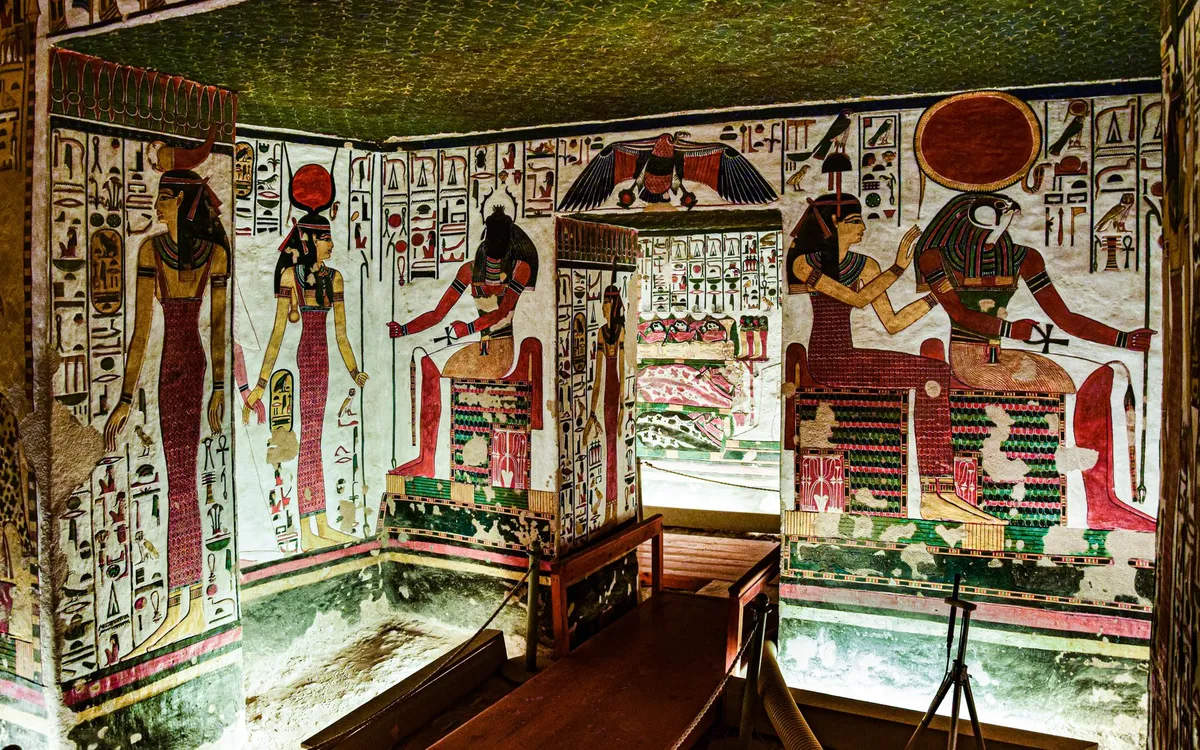
The Book of the Dead Explained: Judgment and the Weighing of the Heart
A guidebook for the afterlife: discover the Book of the Dead, the weighing of the heart, and the goddess Maat who held the cosmos in balance.
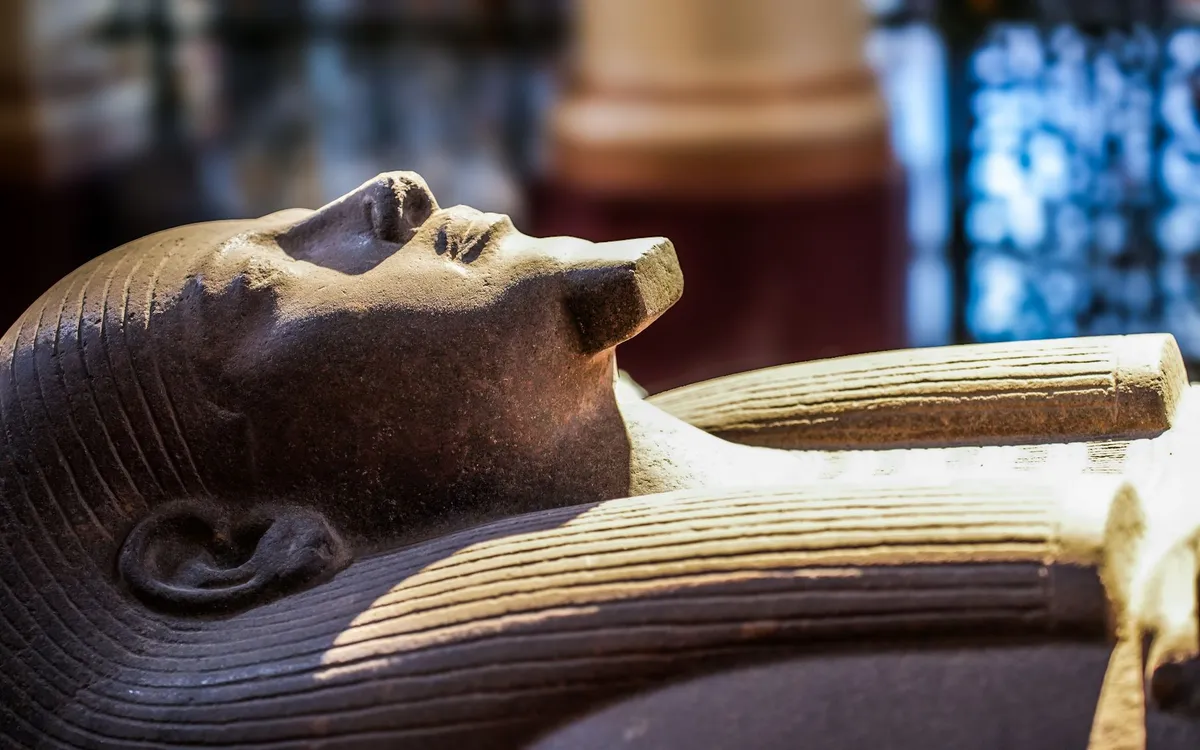
How Mummies Were Made: Mummification Step by Step
From removing the brain to seventy days in natron salt, discover how the ancient Egyptians turned the dead into eternal mummies.
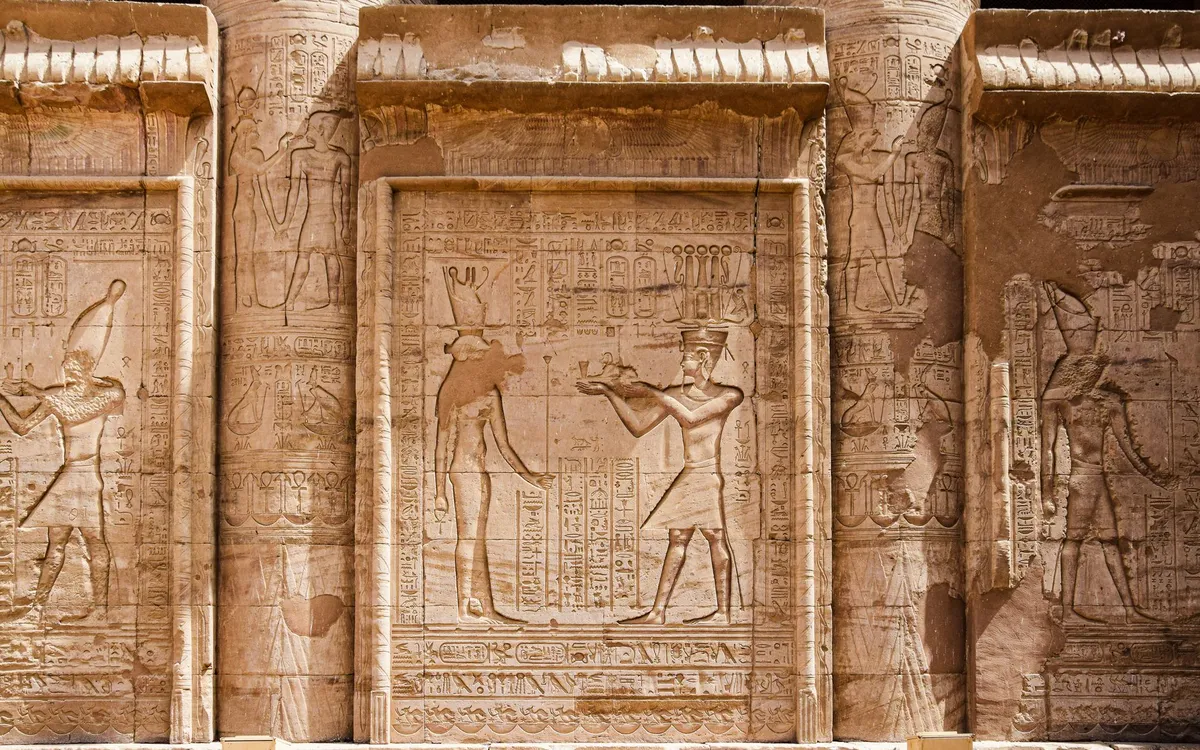
Cleopatra VII: Separating the Facts from the Myths
Brilliant ruler or seductress of legend? Discover the real Cleopatra VII behind two thousand years of myth.