A Guide to the Egyptian Gods: Ra, Osiris, Isis and More
A clear guide to the main Egyptian gods: Ra, Osiris, Isis, Anubis, Horus, Thoth and Set, their roles, symbols and place in ancient Egyptian belief.
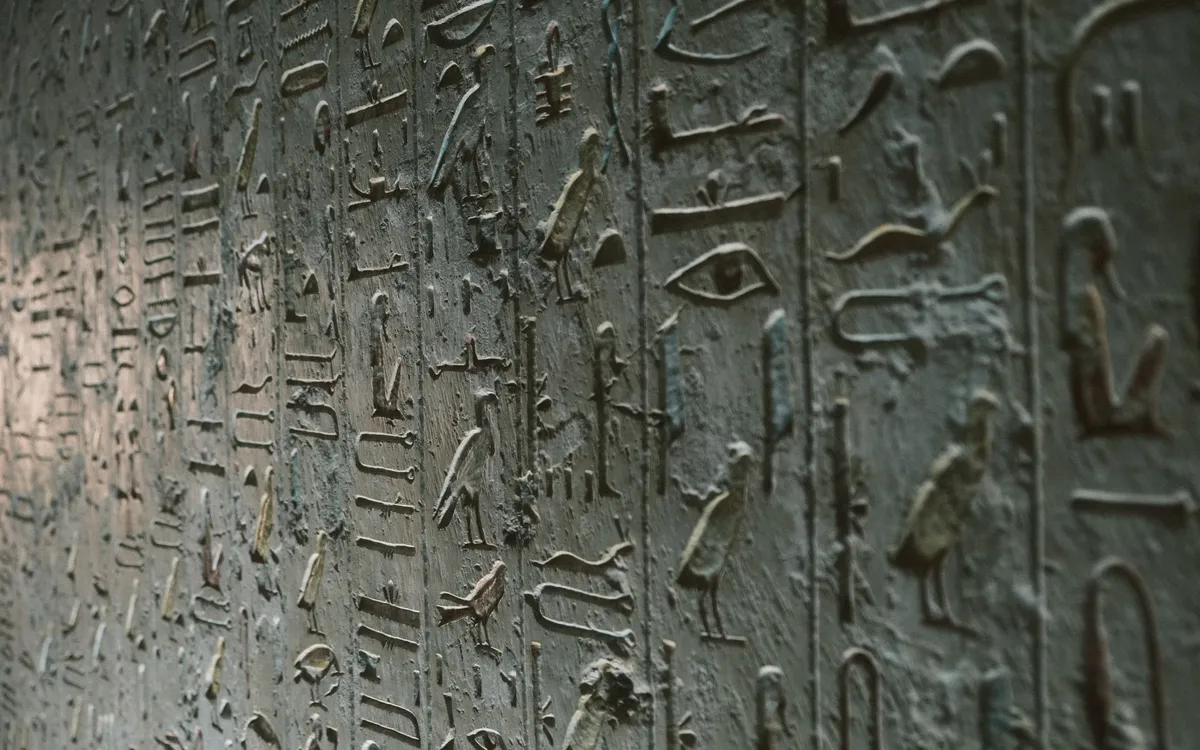
The gods of ancient Egypt populate temple walls, tomb paintings, and the imagination of anyone who has ever marveled at a museum’s Egyptian gallery. With hundreds of deities worshipped over three thousand years, the pantheon can seem bewildering at first.
This guide focuses on the major gods you will encounter most often when visiting Egypt’s temples and tombs, explaining who they were, what they governed, and how to recognize them.
The Great Cosmic Gods
At the heart of Egyptian religion stood the gods who created and sustained the universe. Chief among them was Ra, the sun god, often shown with a falcon head crowned by a solar disk. Egyptians believed Ra sailed across the sky by day and journeyed through the underworld at night, a daily cycle of death and rebirth.
Over time Ra merged with other deities, most importantly as Amun-Ra, combining the hidden creator god Amun of Thebes with the visible power of the sun. Amun-Ra became the supreme state god during the New Kingdom, worshipped at the vast temple complex of Karnak.
Tip: If you see a god with a tall double-feathered crown at Karnak or Luxor, you are almost certainly looking at Amun, the great god of Thebes.
The Osiris Family and the Afterlife
No story shaped Egyptian belief more than the myth of Osiris. Osiris, god of the afterlife and resurrection, was murdered by his jealous brother Set, god of chaos and the desert. Osiris’s devoted wife Isis, goddess of magic and motherhood, gathered his body and magically conceived their son.
That son was Horus, the falcon-headed god of kingship and the sky, who avenged his father and became the model for every living pharaoh. Egyptians regarded the reigning king as the living Horus and the deceased king as Osiris.
Presiding over the embalming and the journey of the dead was Anubis, the jackal-headed god of mummification, who guided souls and oversaw the crucial weighing of the heart.
How to Recognize the Major Gods
Egyptian art followed strict conventions, so each deity carried recognizable attributes. Use this quick reference:
| God | Domain | How to recognize |
|---|---|---|
| Ra | Sun, creation | Falcon head, solar disk |
| Amun-Ra | Supreme state god | Tall double-feather crown |
| Osiris | Afterlife, rebirth | Green skin, mummy wrappings, crook and flail |
| Isis | Magic, motherhood | Throne-shaped headdress or sun disk with horns |
| Horus | Kingship, sky | Falcon head, double crown |
| Anubis | Mummification | Black jackal head |
| Thoth | Wisdom, writing | Ibis head or baboon |
| Set | Chaos, desert, storms | Unidentified “Set animal” head |
| Hathor | Love, music, joy | Cow horns with sun disk |
Thoth, the ibis-headed god of writing, wisdom, and the moon, deserves special mention. Credited with inventing hieroglyphs, he recorded the verdict during the judgment of the dead and was the patron of scribes.
Gods in Everyday Egyptian Life
The great cosmic gods dominated state temples, but ordinary Egyptians also turned to more approachable deities. Hathor, goddess of love, music, and joy, was beloved across all classes. The dwarf god Bes protected households and childbirth, while Taweret, depicted as a pregnant hippopotamus, guarded mothers and infants.
Religion in ancient Egypt was not a separate compartment of life but wove through farming, medicine, justice, and death. Temples were considered the literal homes of the gods, tended daily by priests who clothed and fed the divine statues.
If you want to walk through the halls where these deities were honored, from Karnak to Abu Simbel, you can plan your trip and experience the scale of Egyptian temple architecture firsthand.
Prefer to watch before you go? Indian Point Film rounds up the best documentaries about Egypt and travel to set the scene.
Conclusion
The Egyptian pantheon can feel overwhelming, but a handful of major gods, Ra, Osiris, Isis, Horus, Anubis, Thoth, and Set, unlock most of what you will see on temple walls. Learn their symbols, and the painted reliefs of Egypt suddenly begin to tell their stories. Keep this guide handy as you explore, and the gods will come alive before your eyes.
A Guide to the Egyptian Gods: Ra, Osiris, Isis and More
Skip the queues and secure your spot — book your tickets and tours through our trusted partner Tiqets.
Check tickets on TiqetsTickets & activities in Luxor
Some links on EgyptInterActive are affiliate links: if you book through them we may earn a commission, at no extra cost to you. It never changes our recommendations.
Keep reading
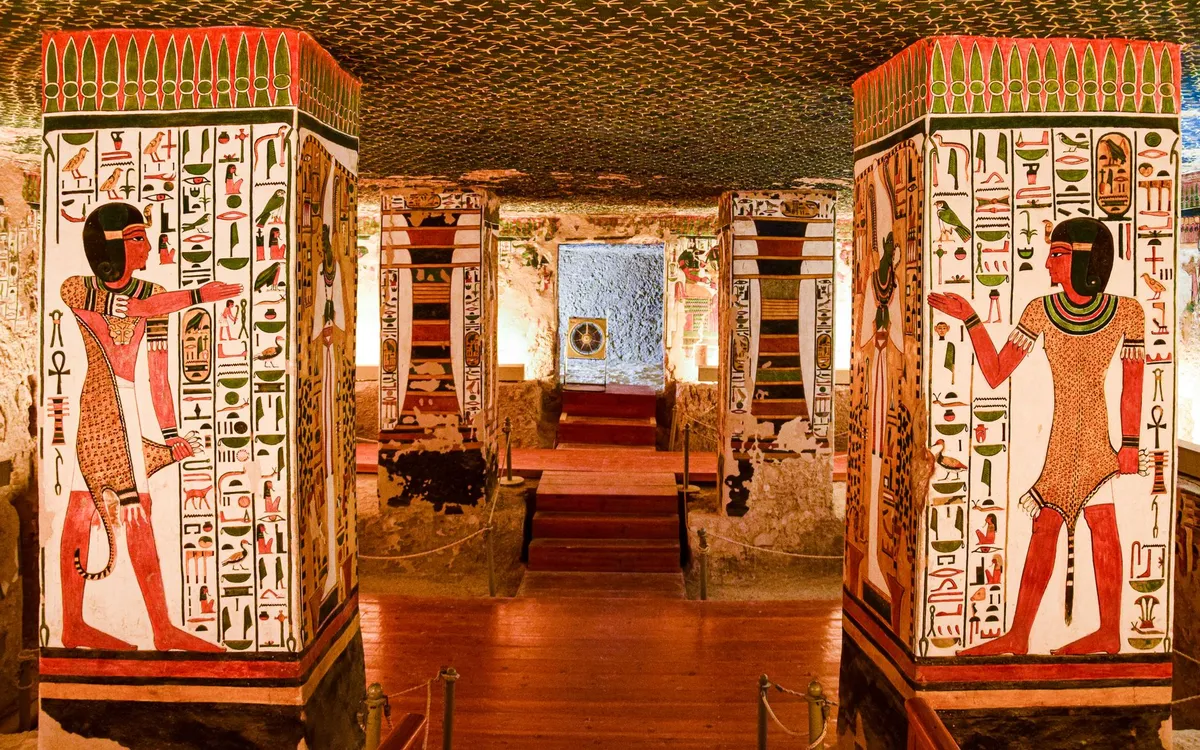
The Curse of the Pharaohs: Fact, Fiction and the Real Story
Did a deadly curse strike those who opened Tutankhamun's tomb? Separating the legend of the pharaohs' curse from the facts.
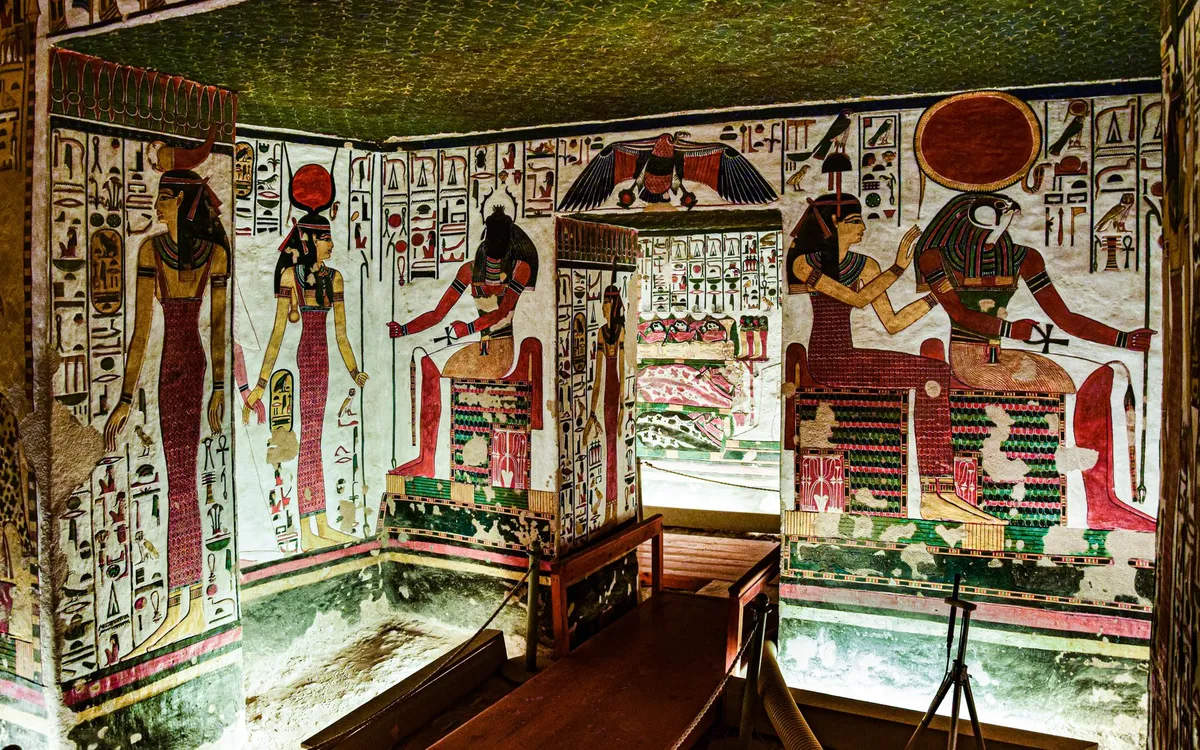
The Book of the Dead Explained: Judgment and the Weighing of the Heart
A guidebook for the afterlife: discover the Book of the Dead, the weighing of the heart, and the goddess Maat who held the cosmos in balance.
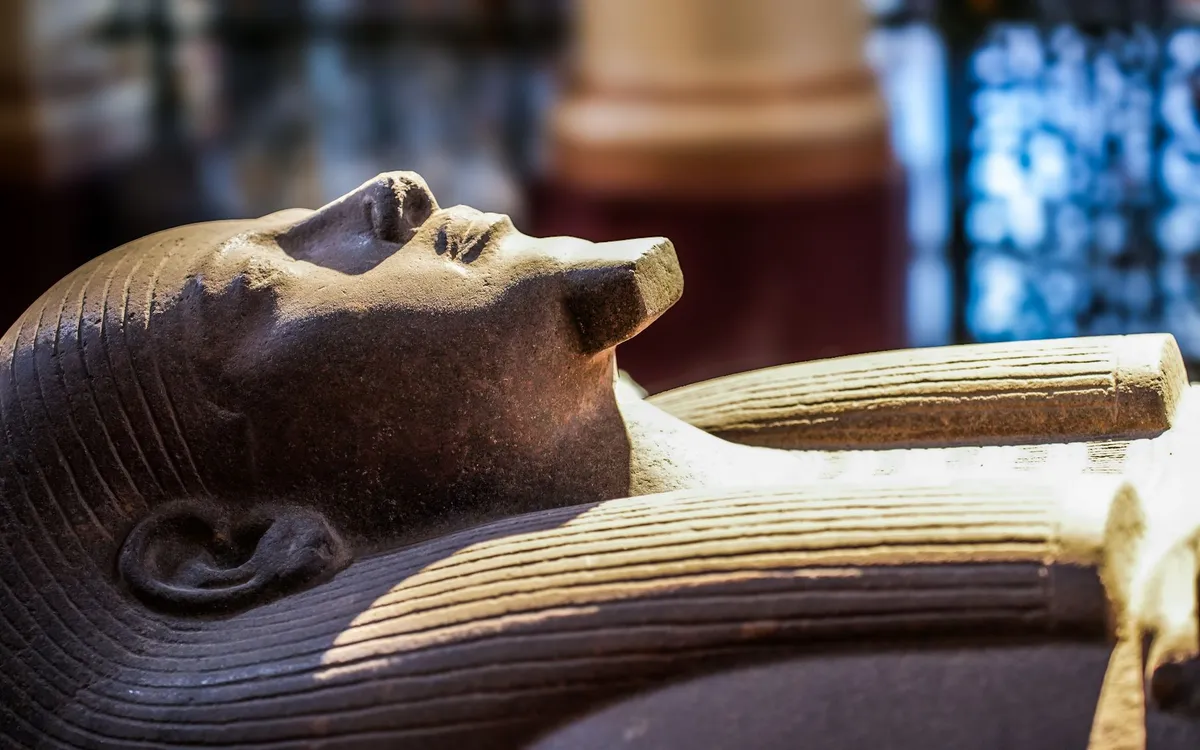
How Mummies Were Made: Mummification Step by Step
From removing the brain to seventy days in natron salt, discover how the ancient Egyptians turned the dead into eternal mummies.