Karnak Temple Guide: What to See in Luxor's Greatest Sanctuary
A practical Karnak Temple guide for Luxor: the Great Hypostyle Hall, the sacred lake, how long to spend, when to go and tips for visiting comfortably.
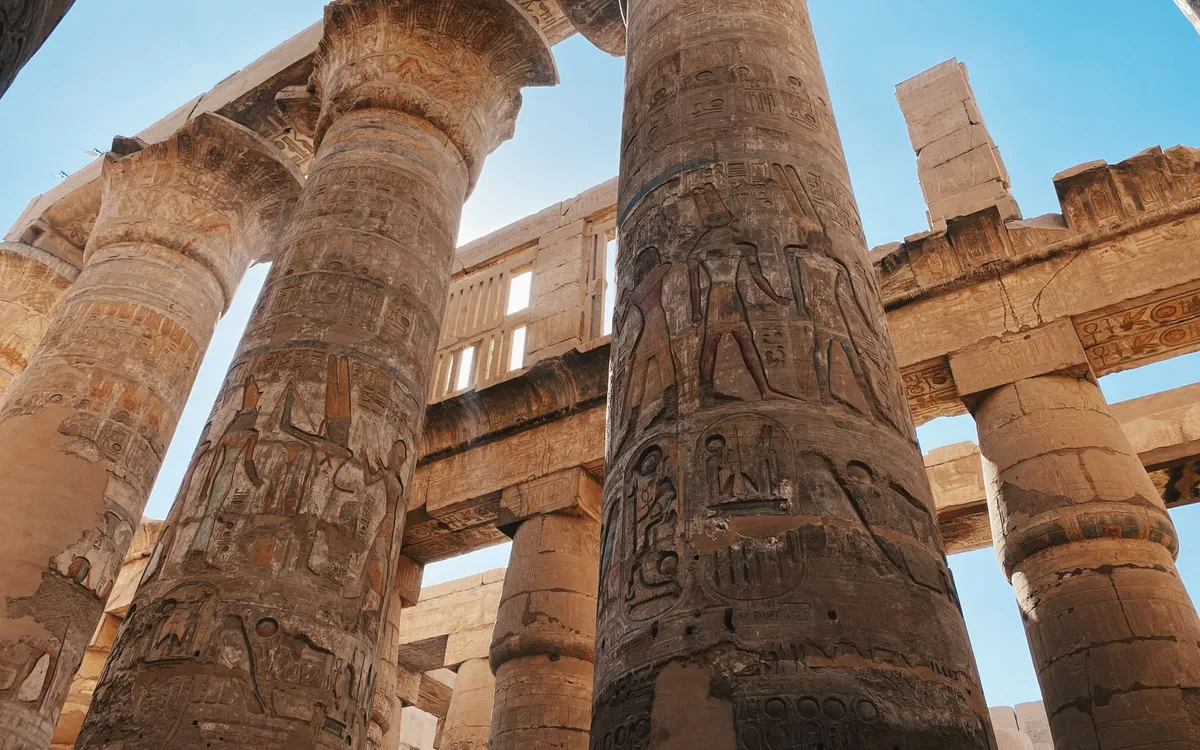
Karnak is not a single temple but a vast complex that ancient builders expanded for nearly two thousand years. Standing among its forest of columns, you understand why pharaohs considered it the most important religious site in Egypt. This guide explains what to see, how to plan your time, and how to enjoy it without wilting in the heat.
Understanding Karnak before you go
Karnak sits on the east bank of the Nile in Luxor, the ancient city of Thebes. The main area open to visitors is the Precinct of Amun-Ra, dedicated to the god Amun. Successive rulers each added pylons, obelisks, halls and statues, so the site reads like a stone timeline of Egyptian history rather than a single planned monument.
Because so many dynasties contributed, nothing here is uniform — and that is precisely its charm. Take a moment at the entrance avenue of ram-headed sphinxes to orient yourself before the scale takes over.
The Great Hypostyle Hall
The undisputed highlight is the Great Hypostyle Hall, a dense thicket of 134 massive sandstone columns. The tallest central columns soar high enough that the original roof once sat far above your head, and the carved hieroglyphs and reliefs still carry traces of their ancient paint.
Tip: visit the Hypostyle Hall first thing in the morning. Early light slants between the columns, the stone is cooler, and you can photograph it before the tour groups arrive.
Walk slowly and look up. The sheer density of carved surface — kings making offerings, processions, and royal names in cartouches — rewards anyone who lingers rather than rushing through to the next pylon.
What else to prioritise
If your time is limited, focus on these features after the Hypostyle Hall:
- The Obelisk of Hatshepsut — one of the tallest standing ancient obelisks in Egypt, carved from a single block of granite.
- The Sacred Lake — where priests once performed purification rituals; a calm spot to rest and take in the scale.
- The Avenue of Sphinxes — the restored processional way that historically linked Karnak with Luxor Temple.
- The Scarab statue — near the Sacred Lake, surrounded by visitors hoping for good luck.
| Feature | Why it matters | Time |
|---|---|---|
| Great Hypostyle Hall | The signature space of Karnak | 30–45 min |
| Hatshepsut’s obelisk | Engineering on a colossal scale | 10 min |
| Sacred Lake area | Ritual heart, good rest stop | 15 min |
| Open-air museum (extra) | Reassembled chapels and statues | 20 min |
How to visit comfortably
Karnak is large and almost entirely without shade, so plan around the sun. Aim to arrive at opening or in the late afternoon, and carry water, a hat and sunscreen. Sturdy shoes help on the uneven ancient stone.
A licensed guide adds enormous value here because the site is hard to read on your own — the symbolism, the chronology and the stories behind the reliefs come alive with an expert. If you prefer to explore independently, read up in advance or hire a guide just for the first hour to get oriented.
Many travellers also return after dark for the Sound and Light show, which uses projection and narration to walk you through the temple’s history. Check current schedules and ticketing locally, as times vary by season and language.
Before you finalise your Luxor itinerary, see our plan your trip page for advice on combining Karnak with the West Bank tombs and Luxor Temple.
Making the most of your visit
Give Karnak at least two hours — half a day if you love detail. Pair it with Luxor Temple, which is smaller and especially atmospheric in the evening when it is illuminated. Start early, hydrate often, and let the columns of the Hypostyle Hall be the first thing you see. Do that, and Karnak delivers the single most overwhelming temple experience in all of Egypt.
Karnak Temple Guide: What to See in Luxor's Greatest Sanctuary
Skip the queues and secure your spot — book your tickets and tours through our trusted partner Tiqets.
Check tickets on TiqetsTickets & activities in Luxor
Some links on EgyptInterActive are affiliate links: if you book through them we may earn a commission, at no extra cost to you. It never changes our recommendations.
Keep reading

Hurghada vs Sharm El Sheikh: Which Red Sea Resort Should You Choose?
Two of Egypt's top Red Sea resorts compared — diving, beaches, families and atmosphere — to help you pick between Hurghada and Sharm El Sheikh.
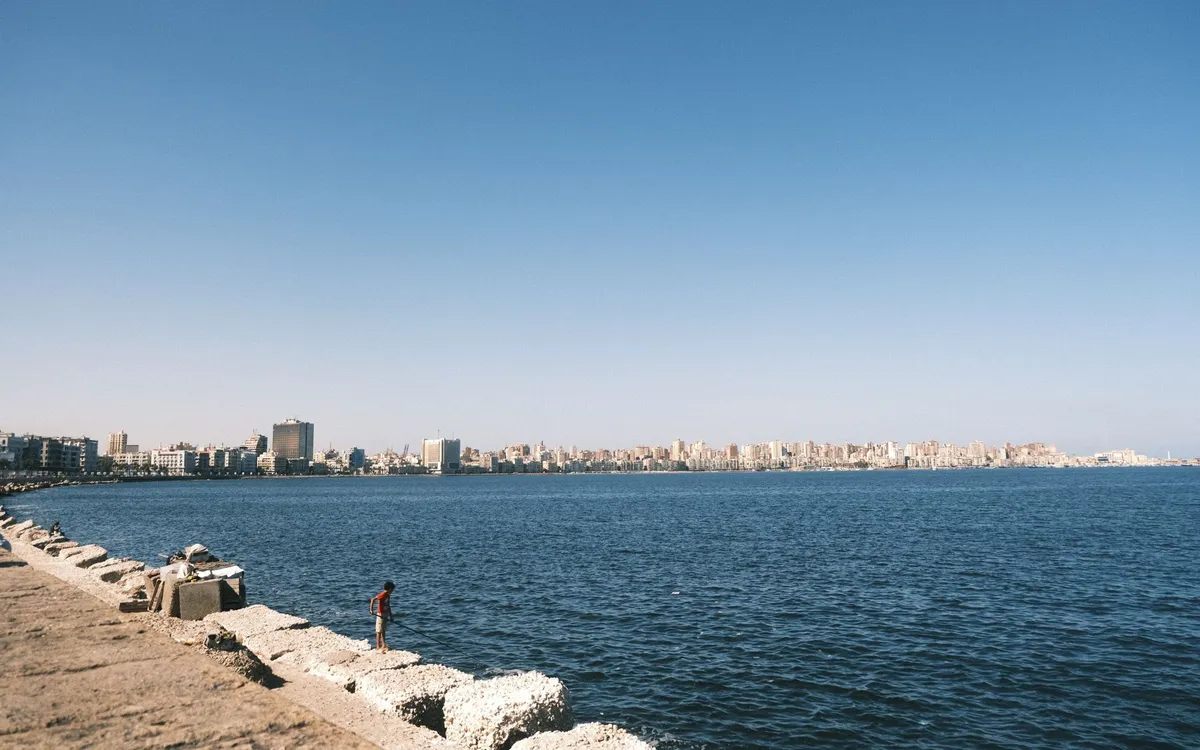
Things to Do in Alexandria: History, the Library, Catacombs and Corniche
Egypt's Mediterranean city, from the modern Bibliotheca Alexandrina to ancient catacombs, the seafront fort and a breezy Corniche walk.
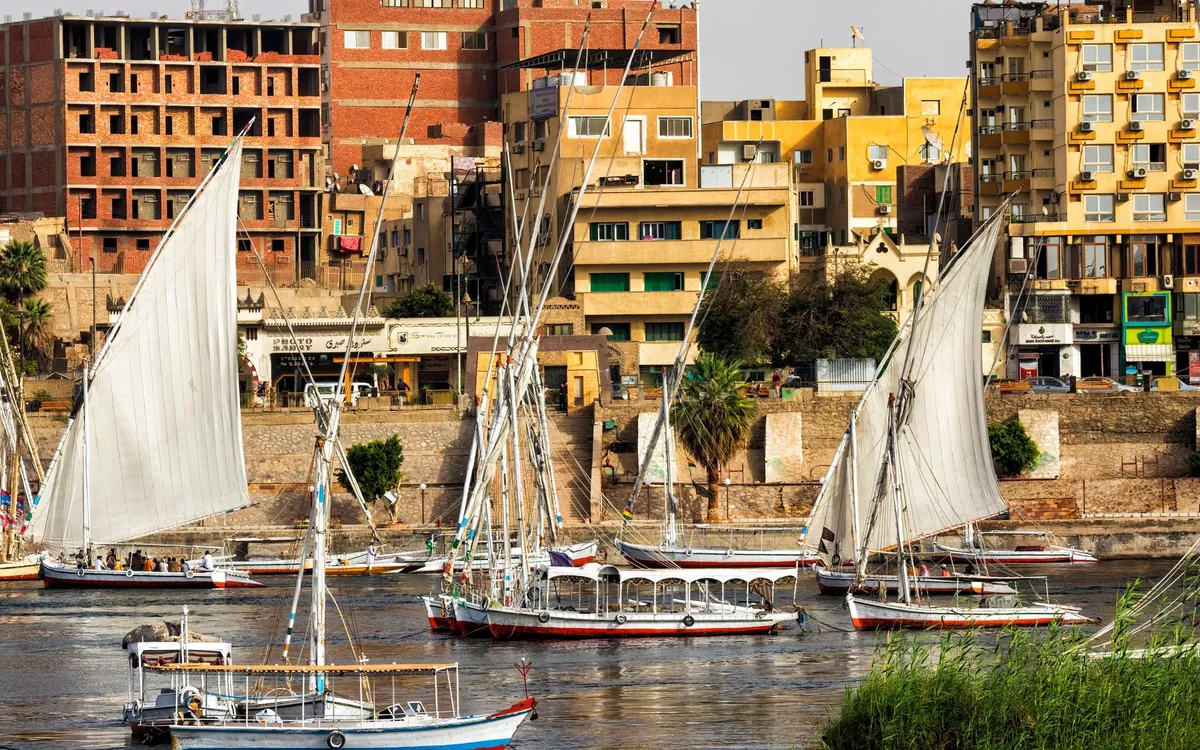
Aswan Travel Guide: Nubia, Philae, Feluccas and the High Dam
Why Aswan is Egypt's most relaxed stop — Philae, Nubian culture, the High Dam, and lazy afternoons sailing the Nile by felucca.