Aswan Travel Guide: Nubia, Philae, Feluccas and the High Dam
An Aswan travel guide covering Philae Temple, the High Dam, Nubian villages, felucca sailing and the laid-back rhythm of Egypt's most relaxed Nile city.
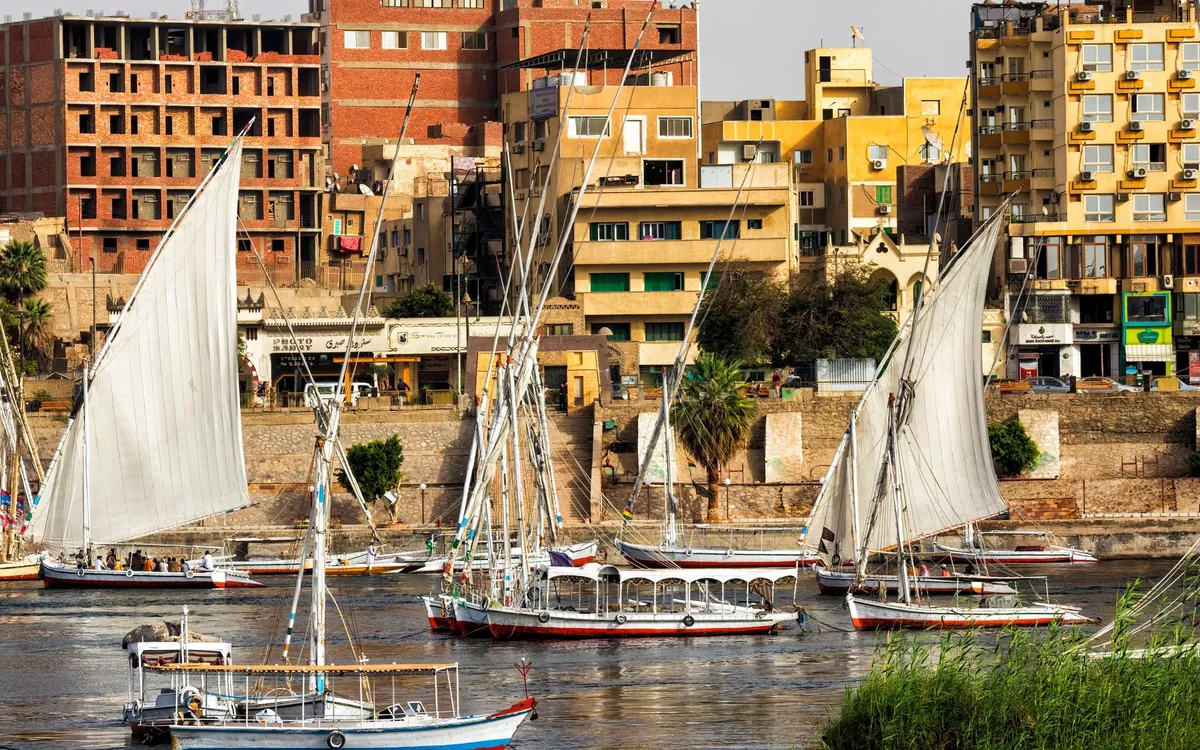
Aswan is where the Nile is at its most beautiful and Egypt at its most relaxed. Granite islands split the river, brightly painted Nubian villages climb the banks, and the pace slows to match the current. This guide covers what to see, how long to stay, and how to soak up the gentle southern mood.
The feel of Aswan
After the intensity of Cairo and Luxor, Aswan feels like exhaling. The river is wide, clean and dotted with islands; white-sailed feluccas drift past at sunset; and the surrounding Nubian culture gives the town a distinct identity, with its own music, food and vivid architecture.
Spend at least part of a day doing very little — a riverside café, a slow boat, a walk through the souk. Aswan rewards travellers who let the city set the rhythm rather than racing between sights.
Philae Temple
The standout monument is the Temple of Philae, dedicated to the goddess Isis. When the High Dam threatened to submerge it, the entire temple was dismantled and rebuilt stone by stone on nearby Agilkia Island — one of the great rescue projects of the twentieth century.
You reach it by a short motorboat ride, which only adds to the sense of arrival. The setting, rising straight out of the water, is half the magic.
Tip: the evening Sound and Light show at Philae is genuinely atmospheric — the illuminated temple reflected in the Nile is unforgettable. Confirm current times and languages locally before you book.
The High Dam and Lake Nasser
The Aswan High Dam reshaped modern Egypt, controlling the Nile’s floods and creating Lake Nasser, one of the largest reservoirs on Earth. A visit is more about scale and significance than scenery, but it pairs naturally with Philae and the nearby Unfinished Obelisk, an enormous granite shaft abandoned in the ancient quarry when it cracked.
What else to do
- Sail a felucca — an hour or two on a traditional sailboat at sunset is the quintessential Aswan experience, gliding around Elephantine and Kitchener’s islands.
- Visit a Nubian village — colourful houses, warm hospitality and a culture distinct from the rest of Egypt.
- Explore Elephantine Island — ancient ruins and Nubian neighbourhoods in the middle of the river.
- Browse the souk — one of the most pleasant traditional markets in the country, heavy with spices and hibiscus.
| Experience | Best time | Roughly |
|---|---|---|
| Philae Temple | Morning or evening show | Half day |
| Felucca sail | Late afternoon / sunset | 1–2 hours |
| High Dam + Unfinished Obelisk | Morning | Half day |
| Nubian village visit | Afternoon | 2–3 hours |
Practical tips and getting there
Aswan is the gateway to Abu Simbel, the colossal rock temples of Ramses II further south — part of the Nubian Monuments inscribed by UNESCO. Most visitors do this as a long day trip by road convoy or a short domestic flight — plan it as a separate full day. Aswan itself connects to Luxor by train, road, and the popular Nile cruises that sail between the two cities.
For ideas on stitching Aswan into a wider southern itinerary, see our plan your trip page. Two to three nights is ideal: enough for Philae, the dam, a felucca and Abu Simbel without rushing.
Wondering where to base yourself — the Corniche, an island in the Nile, or a Nubian guesthouse? Our partner guide compares where to stay in Aswan across the booking sites.
Come to Aswan to slow down. See Philae early, sail at sunset, eat in a Nubian home if you can, and let Egypt’s gentlest city remind you that travel doesn’t always have to be a sprint.
Aswan Travel Guide: Nubia, Philae, Feluccas and the High Dam
Skip the queues and secure your spot — book your tickets and tours through our trusted partner Tiqets.
Check tickets on TiqetsTickets & activities in Luxor
Some links on EgyptInterActive are affiliate links: if you book through them we may earn a commission, at no extra cost to you. It never changes our recommendations.
Keep reading
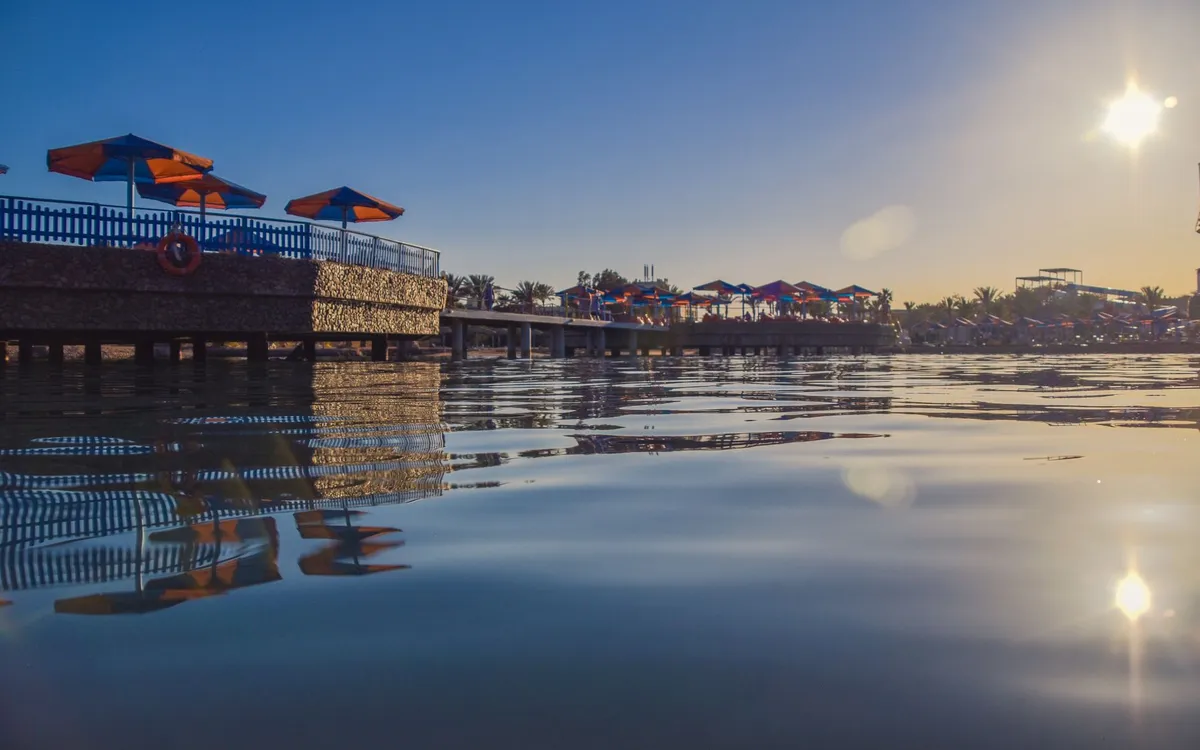
Hurghada vs Sharm El Sheikh: Which Red Sea Resort Should You Choose?
Two of Egypt's top Red Sea resorts compared — diving, beaches, families and atmosphere — to help you pick between Hurghada and Sharm El Sheikh.
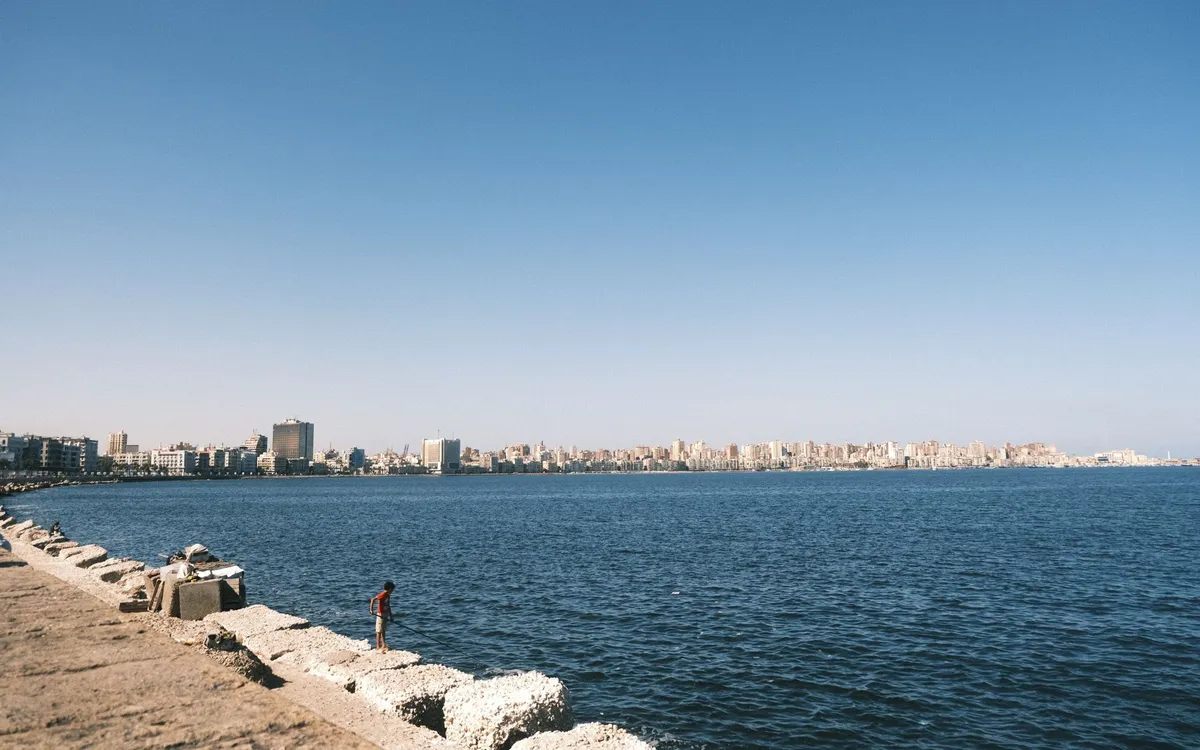
Things to Do in Alexandria: History, the Library, Catacombs and Corniche
Egypt's Mediterranean city, from the modern Bibliotheca Alexandrina to ancient catacombs, the seafront fort and a breezy Corniche walk.
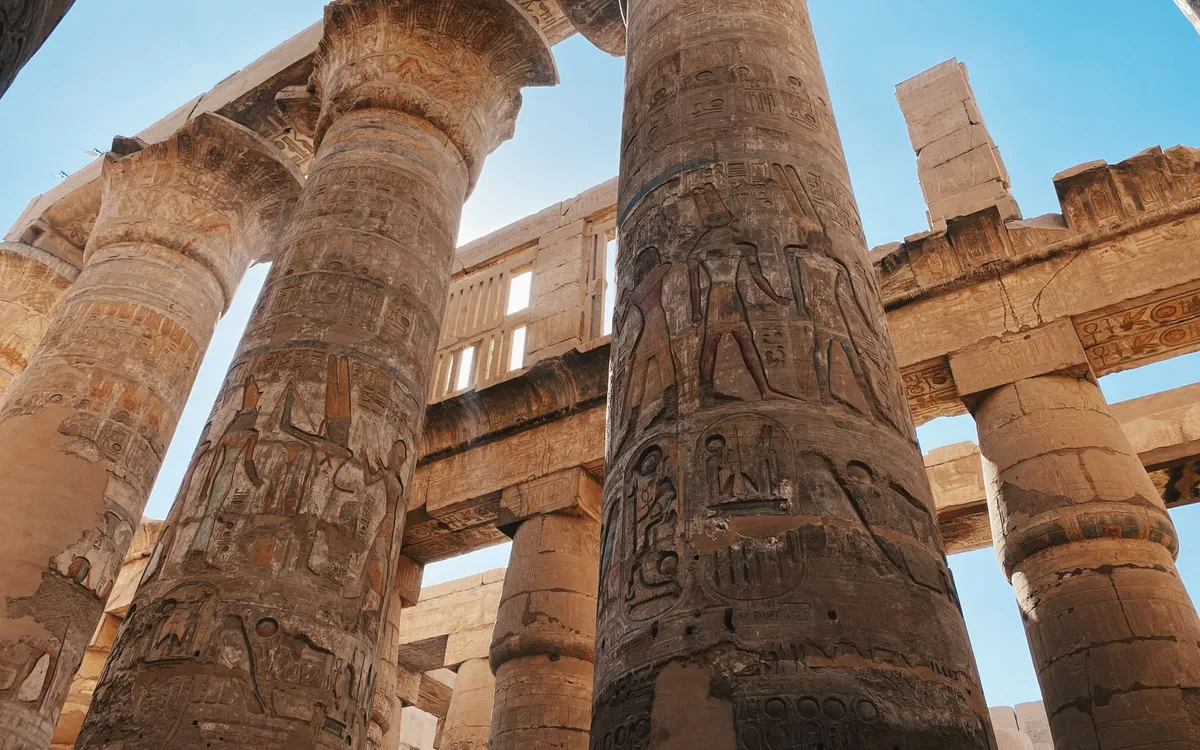
Karnak Temple Guide: What to See in Luxor's Greatest Sanctuary
Everything a first-timer needs for Karnak in Luxor — the Hypostyle Hall, what to prioritise, and how to beat the heat and the crowds.