What to Wear in Egypt: A Practical Dress Guide for Travellers
What to wear in Egypt: a practical guide for men and women covering modest dress, mosque etiquette, beating the heat, and beach and diving outfits.
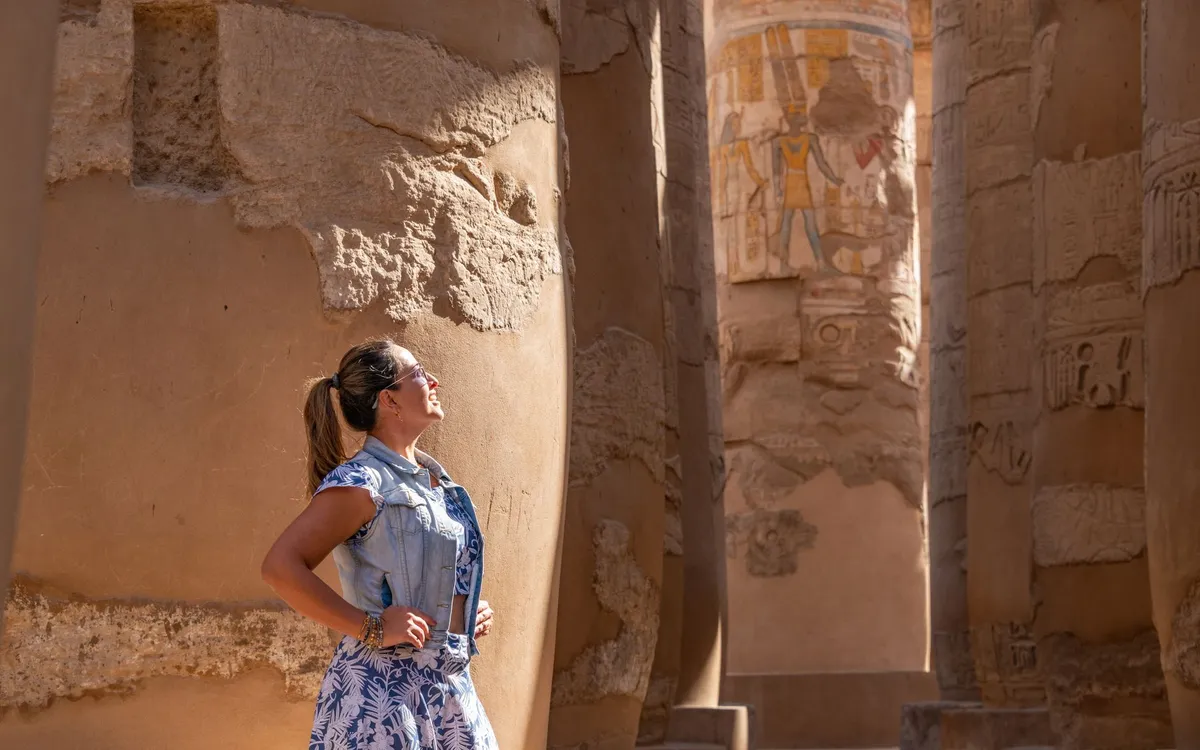
Egypt is a warm, largely conservative country with relaxed beach resorts, so dressing well here is about reading the context. Get it right and you’ll be cooler, more comfortable, and treated with a little more warmth by locals. This guide covers practical clothing choices for men and women, how to dress for mosques, what works in the heat, and the more relaxed rules at the Red Sea. The aim is comfort and respect, not rigid rules.
The guiding principle: modest, light and adaptable
Outside the beach resorts, Egypt leans conservative, and modest dress is both respectful and practical — covering up actually protects you from the strong sun. The smart approach is loose, lightweight, breathable clothing in natural fabrics that keeps you cool while covering more skin. You can always be more relaxed at a beach resort and dress up the modesty when heading into cities, towns and religious sites.
Tip: A light scarf or shawl is the single most useful item to pack. It covers shoulders or hair at a mosque, shields your neck from the sun, and doubles as a wrap on cool evenings or chilly air-conditioned interiors.
For women
Women are comfortable and welcome across Egypt, and you don’t need to cover head-to-toe in tourist areas — but modest choices reduce unwanted attention and fit local norms. Good options:
- Loose trousers, maxi skirts or dresses below the knee
- Tops that cover the shoulders and aren’t low-cut
- Light, breathable fabrics that flow rather than cling
- A scarf or shawl always within reach for mosques and sun
In Cairo and smaller towns, more coverage feels more comfortable; at Red Sea resorts, standard beach and resort wear is entirely normal.
For men
Men have it simpler but shouldn’t ignore context. In towns and at sights, lightweight trousers or longer shorts with a t-shirt or short-sleeved shirt are ideal. Very short shorts and going shirtless are out of place away from the beach and pool. Breathable fabrics and a hat make the heat much easier, and a collared shirt is handy if you want to look a little smarter for dinner.
Visiting mosques
Mosques are active places of worship, and dressing respectfully is expected of everyone:
| Who | Expectation |
|---|---|
| Everyone | Remove shoes before entering; shoulders and knees covered |
| Women | Cover the hair with a scarf; loose clothing covering arms and legs |
| Men | Long trousers; avoid sleeveless tops |
Some mosques provide robes or coverings at the entrance, but bringing your own scarf and wearing suitable clothing avoids any awkwardness. Dress this way and you’ll move through religious sites smoothly and respectfully.
Heat, beaches and diving
The flip side of modesty is the heat, and your clothing is your first line of defence. Favour loose, light-coloured, natural fabrics, a wide-brimmed hat and sunglasses, and comfortable, broken-in shoes for uneven temple ground and desert sand. Sun protection is essential year-round.
At the Red Sea resorts of Hurghada and Sharm El Sheikh, the rules relax: normal swimwear is fine on the beach and around hotel pools. Cover up a little when walking through town or hotel lobbies as a courtesy. For snorkelling and diving, a rash guard or light long-sleeved top protects against sun and reef, and water shoes are useful — your dive operator will advise on wetsuits depending on conditions.
Conclusion: comfort and courtesy together
Dressing for Egypt isn’t complicated once you grasp the logic: lean modest and light away from the beach, relax at the resorts, and always have a scarf handy for mosques and sun. Loose natural fabrics keep you cool, modest cuts earn goodwill and reduce hassle, and sensible shoes and sun protection keep you going through long sightseeing days. Pack with comfort and respect in mind and you’ll feel right at home, whether you’re climbing around temples or floating over a coral reef.
Plan the rest of your trip on our plan your trip hub.
Some links on EgyptInterActive are affiliate links: if you book through them we may earn a commission, at no extra cost to you. It never changes our recommendations.
Keep reading
Staying Connected in Egypt: A Practical Guide
Local SIM, eSIM or hotel wifi — what actually works in Cairo, Luxor and Aswan, and where the signal disappears on a Nile cruise.
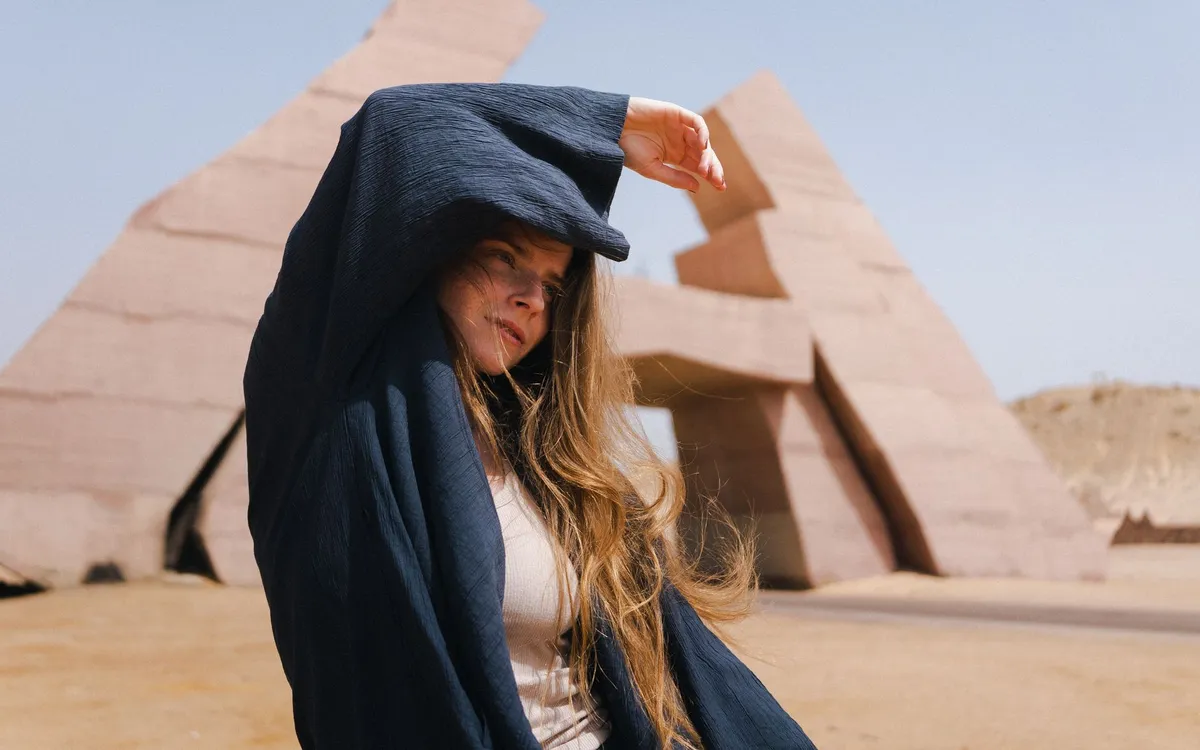
Solo Female Travel in Egypt: An Honest, Practical Guide
Solo female travel in Egypt, honestly — practical safety tips, dealing with street attention, clothing, transport, and how to travel with confidence.
Tipping in Egypt: A Practical Guide to Baksheesh
Understanding baksheesh — who to tip in Egypt, when, how, and the relaxed etiquette that makes daily interactions run smoothly.