Red Sea Diving in Egypt: Best Spots, Liveaboards and Levels
A guide to Red Sea diving in Egypt: the best dive spots, liveaboards versus day boats, diver levels, Ras Mohammed and practical safety tips.
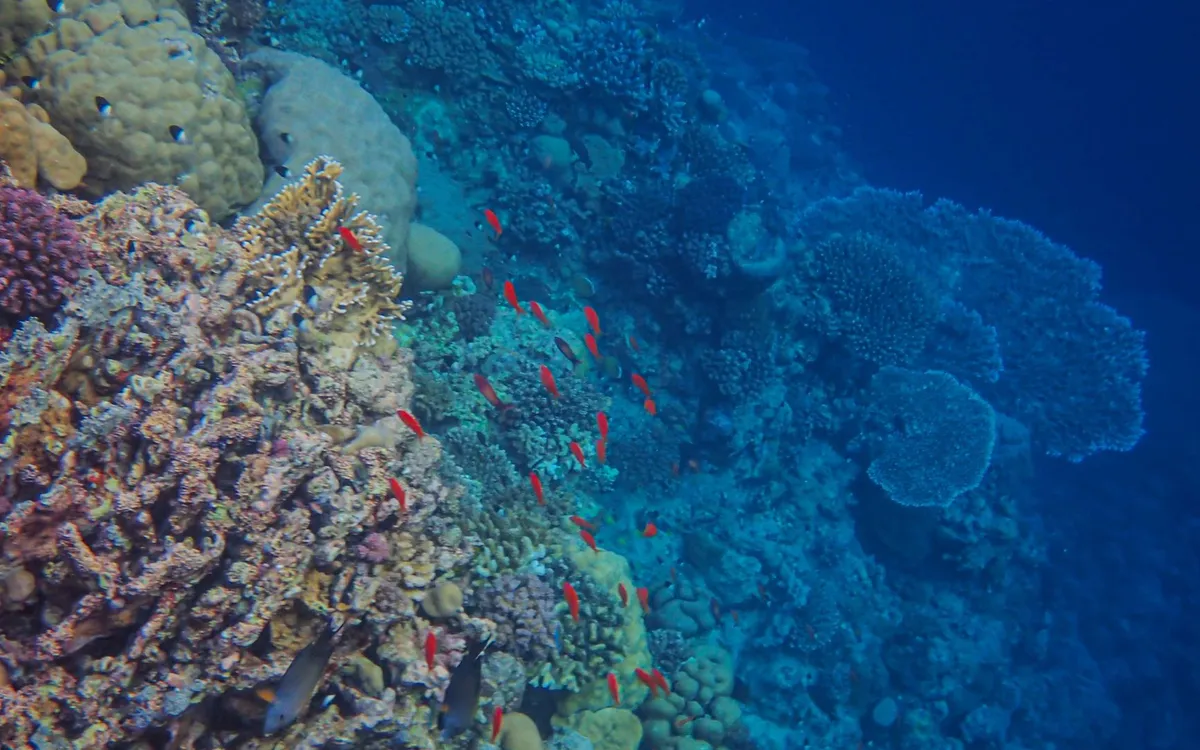
Egypt’s Red Sea is one of the world’s great diving destinations: warm, clear water, vibrant coral reefs, dramatic walls, famous wrecks and the chance to see everything from reef fish to sharks. Whether you’re a first-timer or a seasoned diver, there’s a stretch of coast and a style of trip to suit you. This guide covers the key spots, how to dive them and what to know before you go.
Where to dive
Egypt’s main diving hubs each open onto different waters:
- Sharm el-Sheikh — gateway to the Ras Mohammed National Park and the Strait of Tiran, with steep walls and rich reefs.
- Hurghada and El Gouna — reefs and islands offshore, with plenty of beginner-friendly sites.
- Marsa Alam and the deep south — quieter reefs known for dugongs, dolphins and remote sites.
- The Northern wrecks — including the famous SS Thistlegorm, a WWII wreck reached by boat.
Ras Mohammed and signature sites
At Egypt’s southern Sinai tip, Ras Mohammed National Park is the crown jewel — sheer coral walls dropping into the blue, swarming with fish. Combined with nearby reefs and the Thistlegorm wreck, the Sharm area offers some of the Red Sea’s most celebrated diving.
Tip: Ras Mohammed is a protected national park. Respect the no-touch, no-take rules, keep good buoyancy off the coral, and dive only with licensed, reputable centres that follow park regulations.
Liveaboards versus day boats
How you dive shapes the whole trip:
| Style | What it is | Best for |
|---|---|---|
| Day boats | Daily trips from a coastal base | First-timers, flexible holidays |
| Liveaboards | Multi-day boats sleeping aboard | Remote reefs, wrecks, serious divers |
| Shore diving | Entry from the beach or jetty | Training, easy repeat dives |
Liveaboards reach the famous offshore wrecks and northern reefs that day boats can’t, and pack in more dives per day. Day boats and shore diving suit those mixing diving with a beach holiday.
Levels and certification
The Red Sea works for everyone:
- Beginners can try a discovery dive or take an open-water course; the calm, warm reefs are ideal for learning.
- Certified divers will find walls, drift dives and reefs across all levels.
- Advanced and technical divers are drawn to deep wrecks and remote sites, many requiring specific certifications.
Always dive within your training and certification, and don’t let an operator push you beyond it.
Practical and safety tips
Choose a centre with proper certification and well-maintained gear, and check that insurance and emergency procedures are in place. Don’t fly within the recommended interval after your last dive, stay hydrated, and protect the reef with reef-safe sunscreen and good buoyancy control. Conditions are good much of the year, with water comfortable in the warmer months and cooler in winter.
To match a dive base, season and trip style to your itinerary, see our plan your trip page. Dive within your limits, choose a reputable operator, and Egypt’s Red Sea will reward you with some of the most vivid underwater scenery anywhere.
Red Sea Diving in Egypt: Best Spots, Liveaboards and Levels
Skip the queues and secure your spot — book your tickets and tours through our trusted partner Tiqets.
Check tickets on TiqetsTickets & activities in Hurghada
Some links on EgyptInterActive are affiliate links: if you book through them we may earn a commission, at no extra cost to you. It never changes our recommendations.
Keep reading
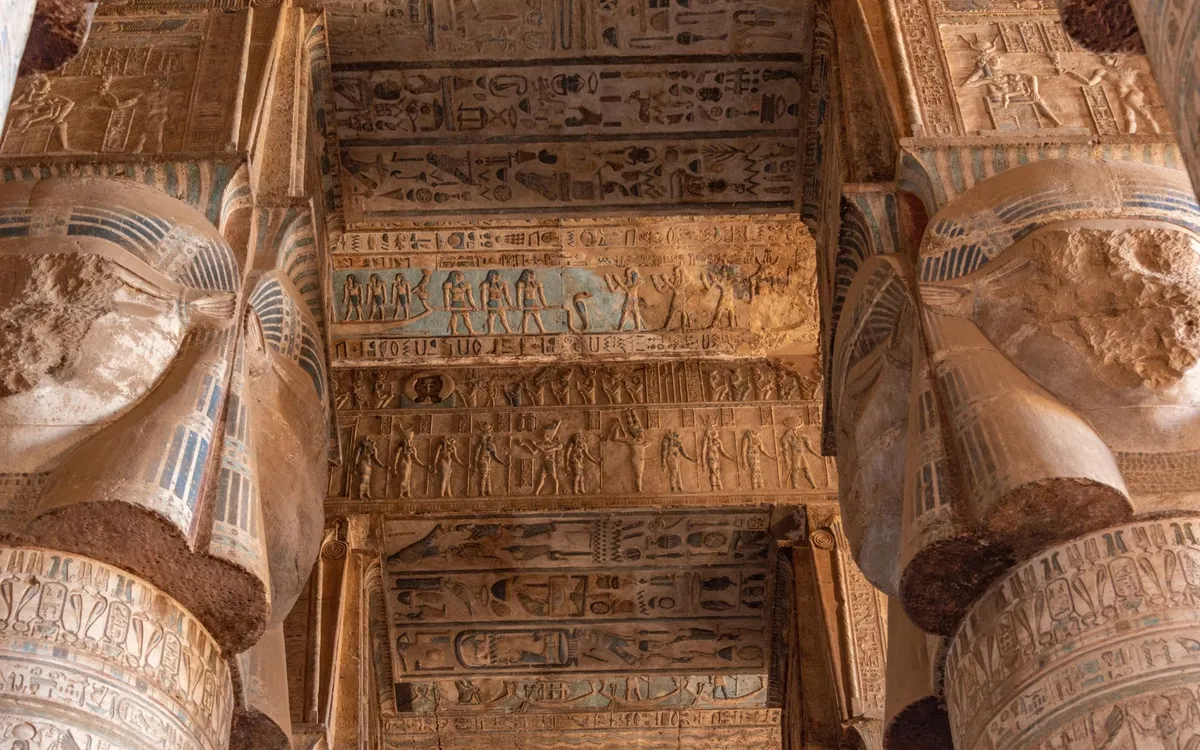
Dendera Temple Guide: Hathor's Temple and Its Painted Ceiling
Dendera dazzles with restored colour and a star-painted ceiling — one of Egypt's most complete temples, dedicated to the goddess Hathor.
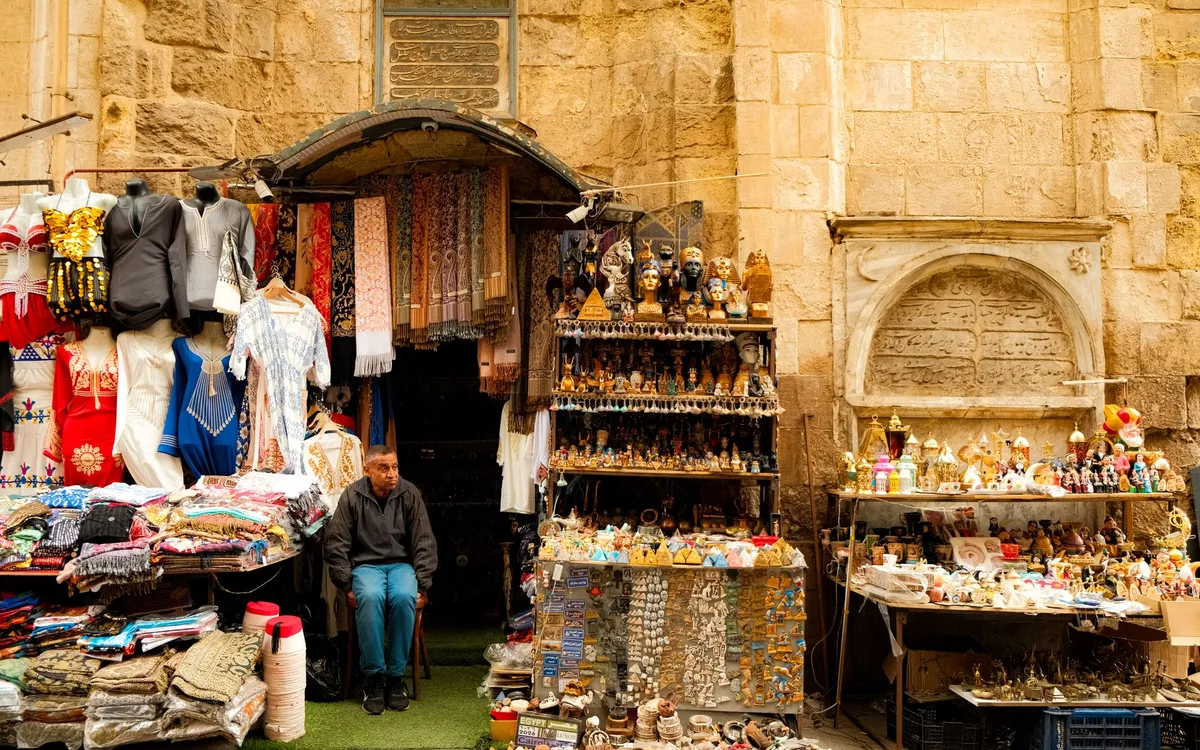
Khan el-Khalili Guide: Cairo's Historic Bazaar and How to Visit
Khan el-Khalili is Cairo's great medieval bazaar — a labyrinth of lantern-lit alleys, craftsmen, spice stalls and the legendary El Fishawy café.
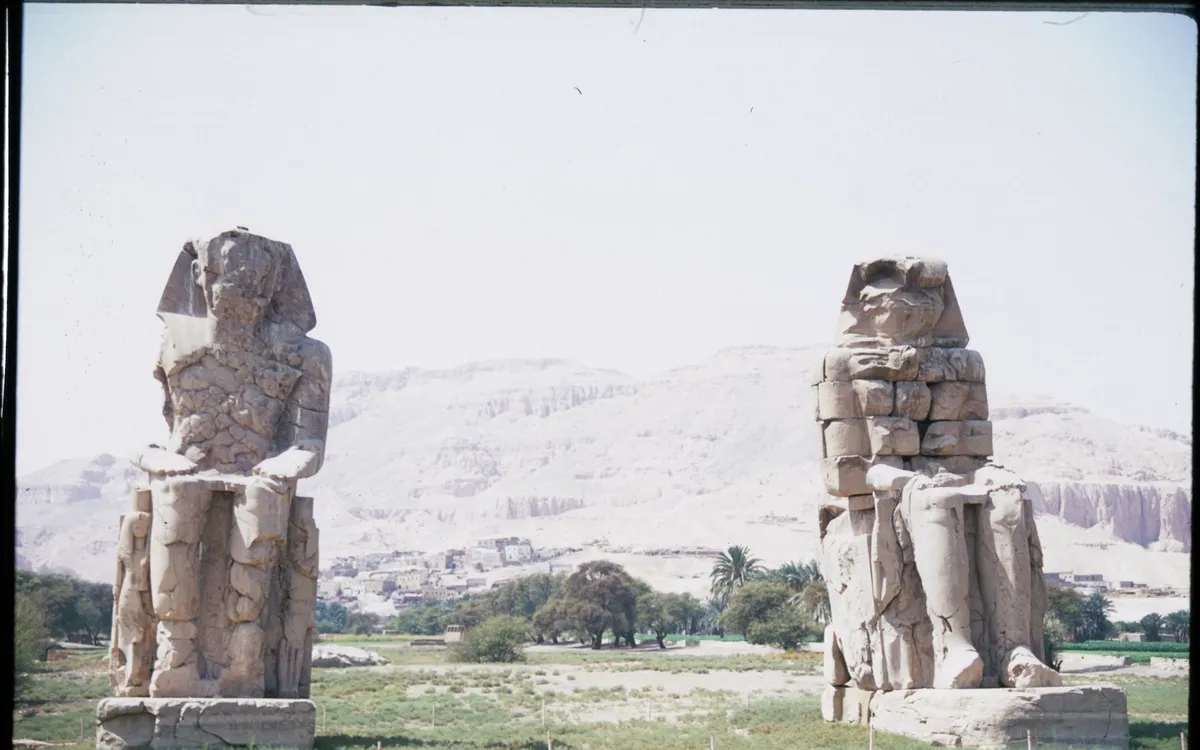
Colossi of Memnon Guide: Luxor's Twin Giants on the West Bank
Two colossal statues of Amenhotep III guard the road to Luxor's West Bank — a free, dramatic first stop on any tombs-and-temples day.