Nubian Museum, Aswan: Nubia's Culture and the UNESCO Rescue
A Nubian Museum guide in Aswan: the award-winning museum of Nubian culture and the UNESCO rescue of monuments, what you see inside, tickets, getting there and the best time to visit.
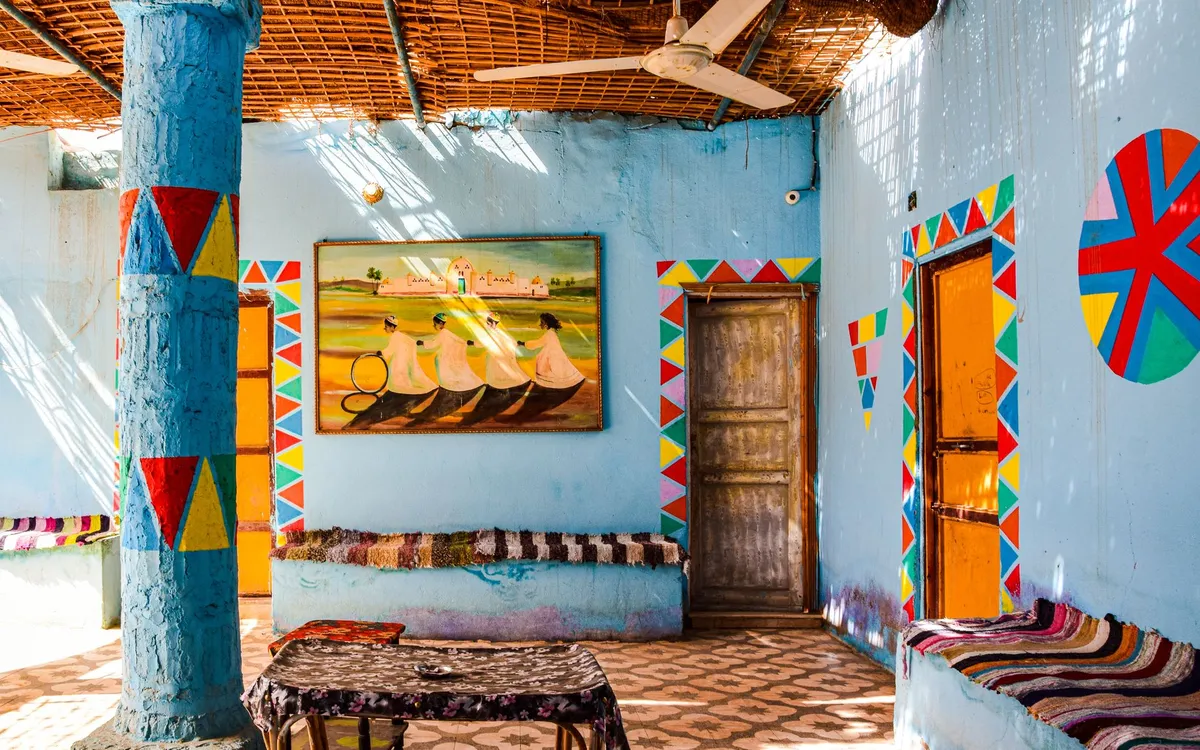
Aswan’s monuments draw the crowds, but the Nubian Museum tells the human story behind them. This award-winning museum is devoted to the culture of Nubia, the ancient land straddling southern Egypt and northern Sudan, and to the extraordinary international effort that saved its temples from the waters of Lake Nasser. Calm, beautifully designed and refreshingly uncrowded, it is one of the most rewarding indoor stops in Aswan. This guide explains what it covers, what you see and how to visit.
What the museum is and why it matters
The Nubian Museum opened in the late 1990s and was created in close cooperation with UNESCO, in part to honour the great campaign of the 1960s and 1970s that rescued monuments threatened by the rising reservoir behind the Aswan High Dam. As the waters rose, temples such as Abu Simbel and Philae were dismantled and relocated, and entire Nubian communities were displaced from their ancestral villages.
The museum exists to tell that story and, more broadly, to preserve and celebrate Nubian heritage — a distinct culture with its own history, language and traditions, too often overshadowed by pharaonic Egypt. Its thoughtful design, blending modern architecture with Nubian-inspired forms, has earned international recognition.
What you see inside
The collection runs from prehistory through the pharaonic and Christian eras to modern Nubian life, displayed across well-lit galleries and an outdoor garden:
- Artefacts across the ages — statues, pottery, tools and jewellery tracing thousands of years of Nubian history.
- The UNESCO rescue story — displays and models explaining how the great monuments were saved and moved.
- Nubian daily life — reconstructions of a traditional Nubian house and exhibits on customs, crafts and dress.
- Sculpture and architecture — large pieces and an open-air section set among landscaped grounds.
Tip: visit the Nubian Museum near the start of your Aswan stay. Understanding the rescue campaign first makes a later visit to Philae — itself a relocated temple — far more meaningful.
Tickets and opening hours
The museum is open daily, though hours can vary by season and it may close for a period in the middle of the day, so confirm current times before you go. A ticket is required, with reduced student rates on presentation of valid ID, and an additional fee may apply for photography. Rather than quote prices that change, buy on site or through an official channel and check current rates on arrival. The galleries are air-conditioned, making this an ideal midday refuge from Aswan’s heat.
Getting there and how long to stay
The museum sits in the south of Aswan, an easy taxi ride from the city centre and corniche, and pairs well with other Aswan sights as an indoor counterpoint to the open-air monuments.
| Practicality | What to know |
|---|---|
| Location | Southern Aswan |
| Access | Taxi from the city centre |
| Time needed | 1.5 to 2 hours |
| Best paired with | Philae Temple, a felucca sail |
Allow around ninety minutes to two hours to do the collection justice, longer if you enjoy reading the displays and exploring the garden.
Best time to visit and practical tips
Because it is air-conditioned, the museum is the perfect place to escape the midday sun, so consider it for the hottest part of the day. The cooler months from October to April remain the most comfortable season in Aswan overall. Photography rules and flash restrictions apply inside, so check the signage and respect them.
For help weaving the Nubian Museum into an Aswan itinerary alongside Philae, the High Dam and a Nile cruise, see our plan your trip page. Give yourself time here: it is the one stop in Aswan that turns the city’s scattered monuments into a single, human story of a culture that adapted, endured and was saved from the flood.
Nubian Museum, Aswan: Nubia's Culture and the UNESCO Rescue
Skip the queues and secure your spot — book your tickets and tours through our trusted partner Tiqets.
Check tickets on TiqetsTickets & activities in Luxor
Some links on EgyptInterActive are affiliate links: if you book through them we may earn a commission, at no extra cost to you. It never changes our recommendations.
Keep reading
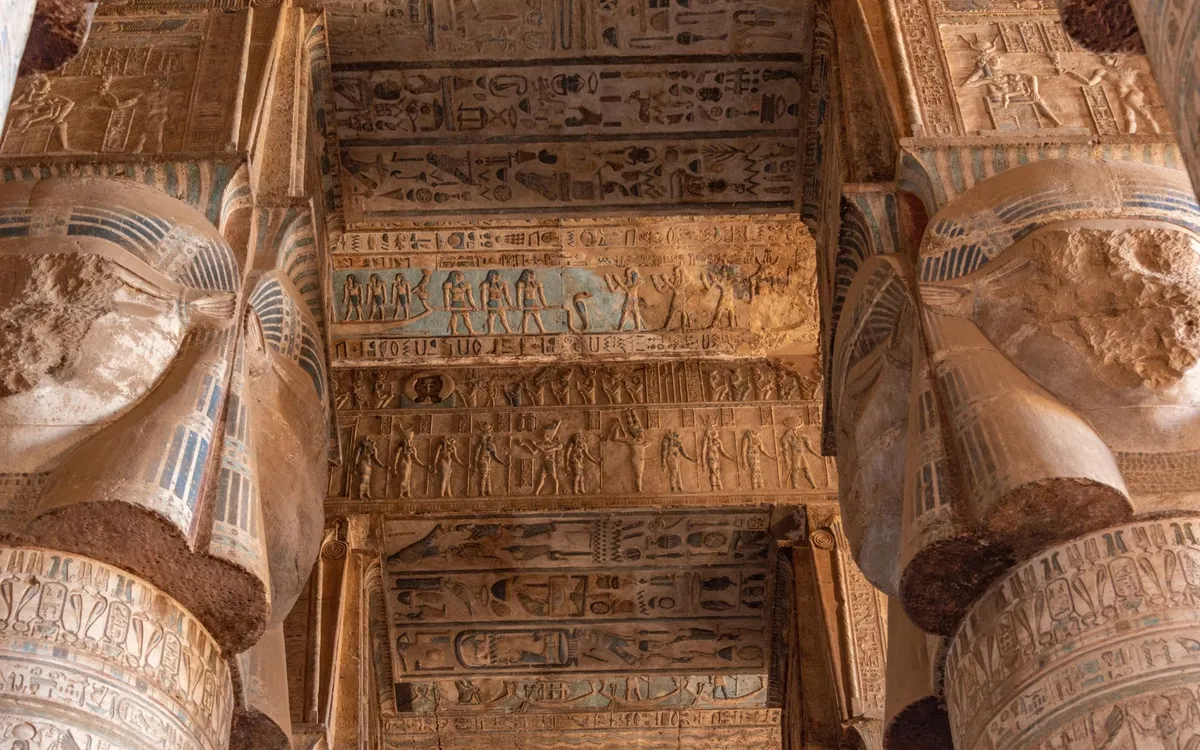
Dendera Temple Guide: Hathor's Temple and Its Painted Ceiling
Dendera dazzles with restored colour and a star-painted ceiling — one of Egypt's most complete temples, dedicated to the goddess Hathor.
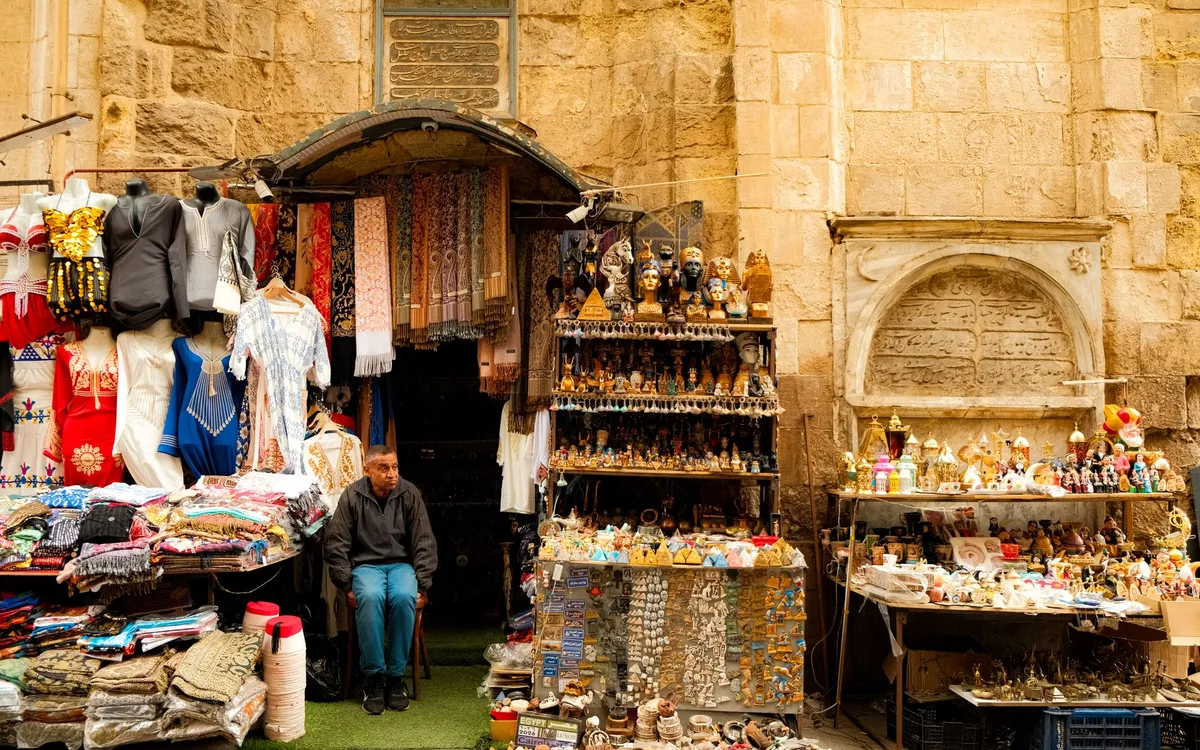
Khan el-Khalili Guide: Cairo's Historic Bazaar and How to Visit
Khan el-Khalili is Cairo's great medieval bazaar — a labyrinth of lantern-lit alleys, craftsmen, spice stalls and the legendary El Fishawy café.
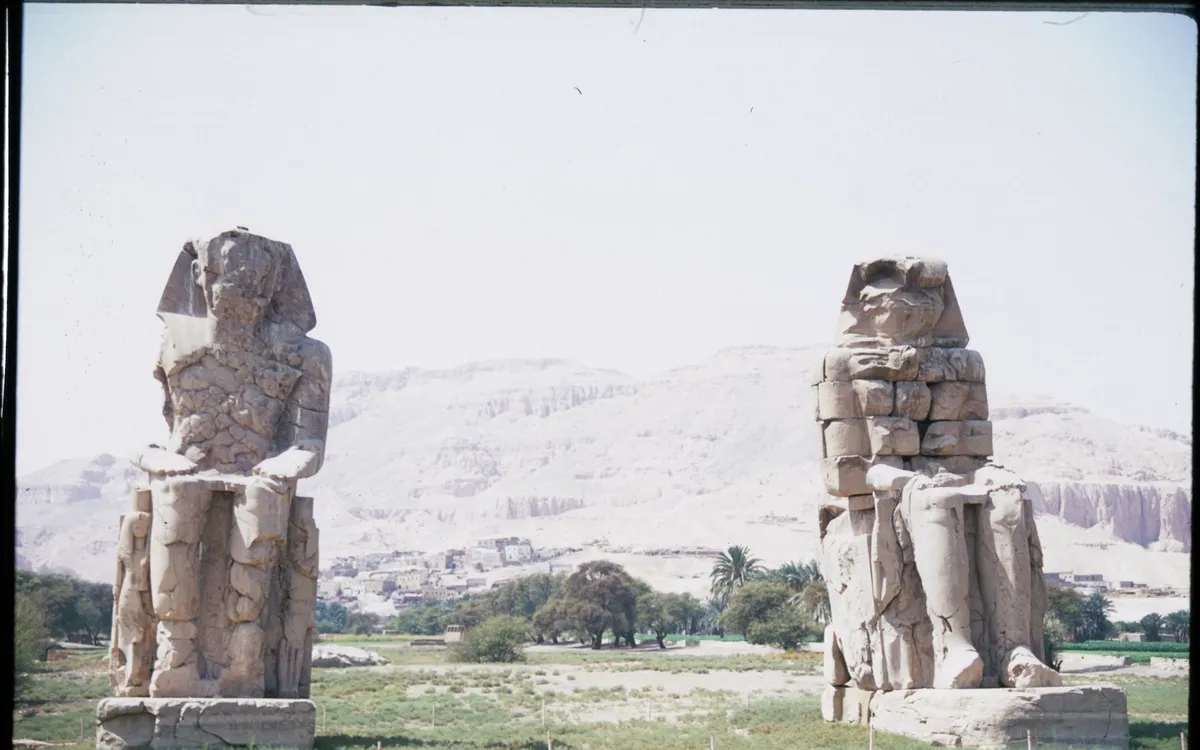
Colossi of Memnon Guide: Luxor's Twin Giants on the West Bank
Two colossal statues of Amenhotep III guard the road to Luxor's West Bank — a free, dramatic first stop on any tombs-and-temples day.