Luxor Temple Guide: Tickets, History and Why You Visit at Night
A complete Luxor Temple guide: the Avenue of Sphinxes, Ramesses II's colossi, tickets and opening hours, how to get there, and why it shines after dark.
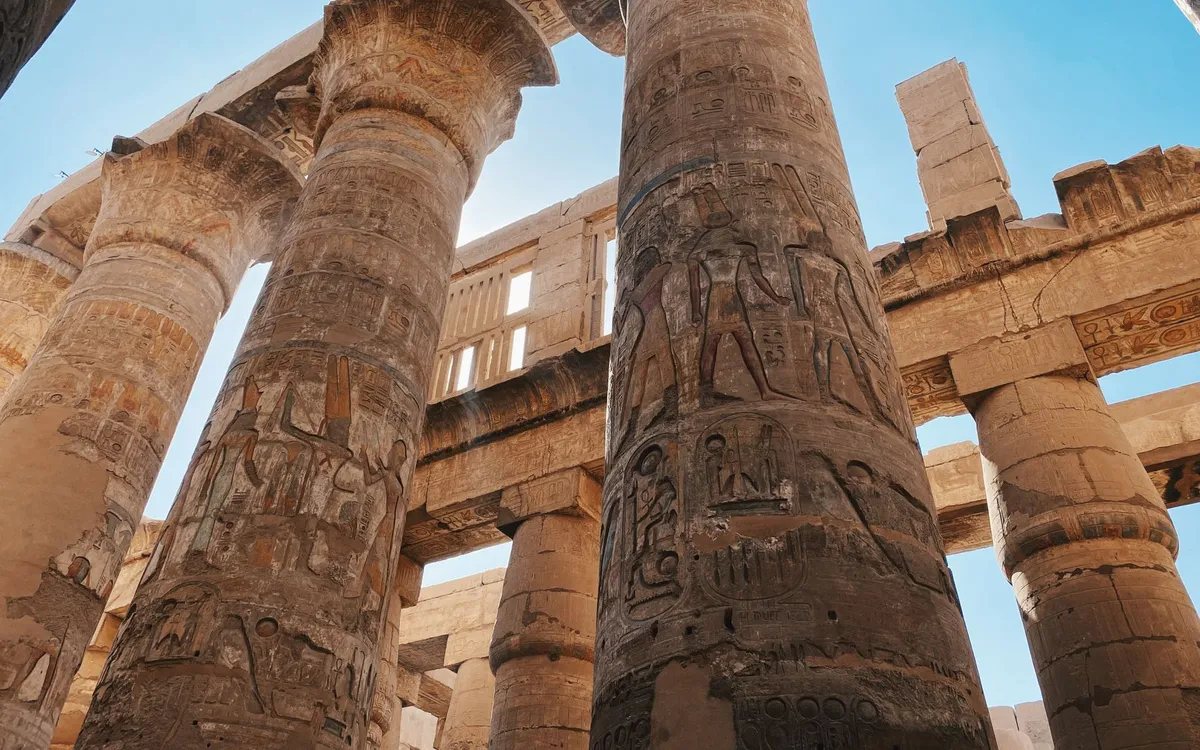
Luxor Temple stands in the heart of the modern city, on the east bank of the Nile, and unlike most Egyptian monuments it sits right among the cafés and streets rather than out in the desert. It was built for ritual and procession rather than as a tomb, and seeing it floodlit after dark is one of the great experiences in Egypt. This guide covers what to look for, when to come, and how to plan your visit.
What Luxor Temple is and why it matters
Luxor Temple was largely raised by two of ancient Egypt’s most ambitious builders, Amenhotep III in the 14th century BCE and Ramesses II about a century later. Unlike Karnak, which was dedicated to the worship of the gods year-round, Luxor Temple was closely tied to the festival of Opet, when statues of the Theban gods were carried in a great procession from Karnak to here and back.
The temple has lived many lives. A mosque, that of Abu el-Haggag, still stands built into the temple’s upper courtyard and remains in use today, while parts of the complex once held a Roman military camp and later a Christian church. Few sites in Egypt layer so many centuries of religious life so visibly.
What you see inside
The approach itself is unforgettable. The restored Avenue of Sphinxes, a processional way lined with hundreds of ram- and human-headed statues, once connected Luxor Temple directly to Karnak nearly three kilometres away.
At the entrance you are met by the great first pylon of Ramesses II, fronted by colossal seated statues of the king and a single standing obelisk (its twin stands in the Place de la Concorde in Paris). Inside, highlights build one after another:
- The colossi of Ramesses II — enormous seated and standing figures of the pharaoh guarding the courtyards.
- The Great Colonnade of Amenhotep III — fourteen towering columns with papyrus-bud capitals.
- The Sun Court of Amenhotep III — an elegant courtyard ringed by double rows of columns, considered one of the finest spaces of its kind.
- The Birth Room reliefs and the inner sanctuaries, where the ritual heart of the temple lay.
Tip: walk the length of the temple in daylight first, then return after sunset. The same columns and statues feel completely transformed under the warm floodlighting, and the night atmosphere is far cooler and calmer.
Tickets and opening hours
Luxor Temple is open daily, including into the evening, which makes it ideal for an after-dark visit when most other Luxor sites have closed. Hours shift with the season, so it is worth confirming the current closing time locally before you go.
Tickets are sold at the entrance, and Egypt’s antiquities tickets are managed by the Ministry of Tourism and Antiquities, with separate student rates available on presentation of valid ID. Rather than quote figures that change, buy on site or through an official operator and check current pricing on arrival. For a smoother experience, many travellers visit with a licensed guide or as part of an organised tour.
Getting there and how long to stay
Luxor Temple sits in the centre of Luxor, an easy walk from many east-bank hotels and the Corniche along the Nile. Taxis and caleche (horse carriage) rides are widely available, and a short walk from Luxor Museum makes it easy to combine the two.
| Practicality | What to know |
|---|---|
| Location | East bank, central Luxor |
| Time needed | 1 to 1.5 hours |
| Best paired with | Karnak Temple, Luxor Museum |
| Standout moment | Floodlit visit after dark |
Plan on around an hour to ninety minutes. If you are also doing Karnak, consider seeing Karnak in the morning and saving Luxor Temple for the evening so you finish the day with its illuminated columns.
Best time to visit and practical tips
The cooler months from October to April are most comfortable for daytime exploring, but the single best slot at Luxor Temple is after sunset year-round, when the heat drops and the lighting does its work. Bring water, sun protection for daytime, and a light layer for the evening.
As part of any Luxor itinerary, it pairs naturally with the West Bank tombs and Karnak — see our plan your trip page for advice on tying it all together. Wear comfortable shoes for the uneven ancient paving, keep an eye on closing times, and give yourself the gift of a slow evening walk back down the Avenue of Sphinxes. Few first impressions of ancient Egypt are as memorable.
Luxor Temple Guide: Tickets, History and Why You Visit at Night
Skip the queues and secure your spot — book your tickets and tours through our trusted partner Tiqets.
Check tickets on TiqetsTickets & activities in Luxor
Some links on EgyptInterActive are affiliate links: if you book through them we may earn a commission, at no extra cost to you. It never changes our recommendations.
Keep reading
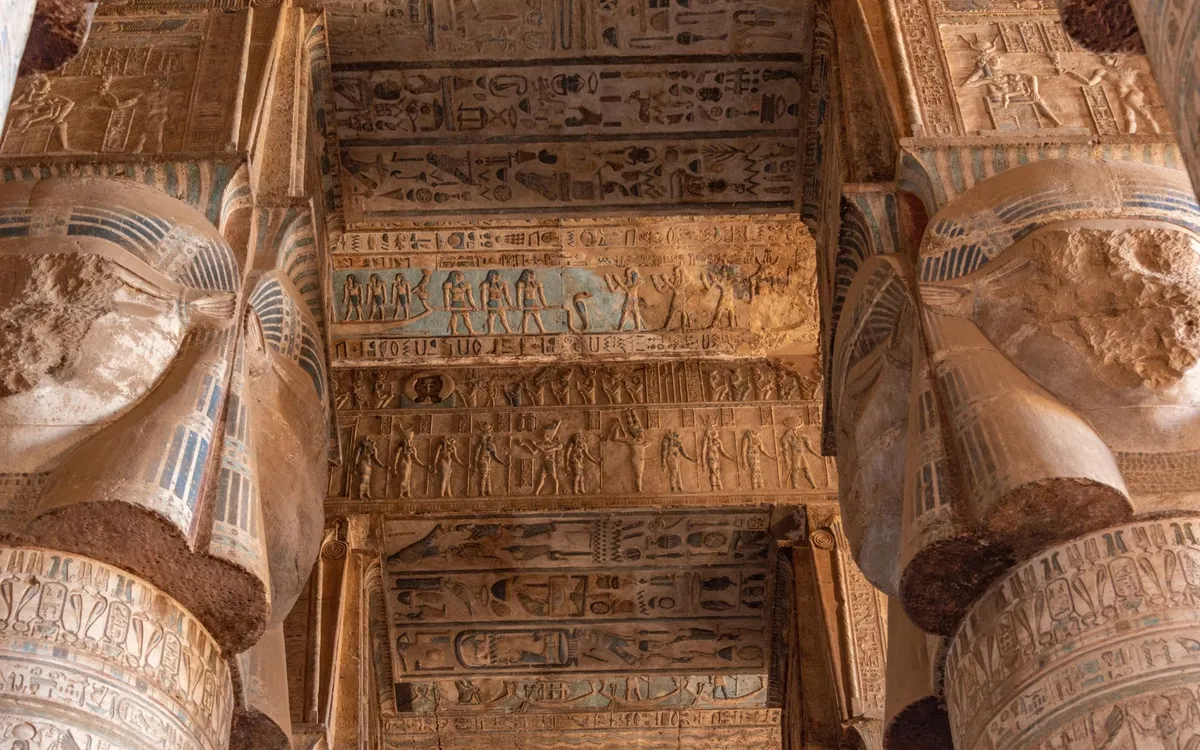
Dendera Temple Guide: Hathor's Temple and Its Painted Ceiling
Dendera dazzles with restored colour and a star-painted ceiling — one of Egypt's most complete temples, dedicated to the goddess Hathor.
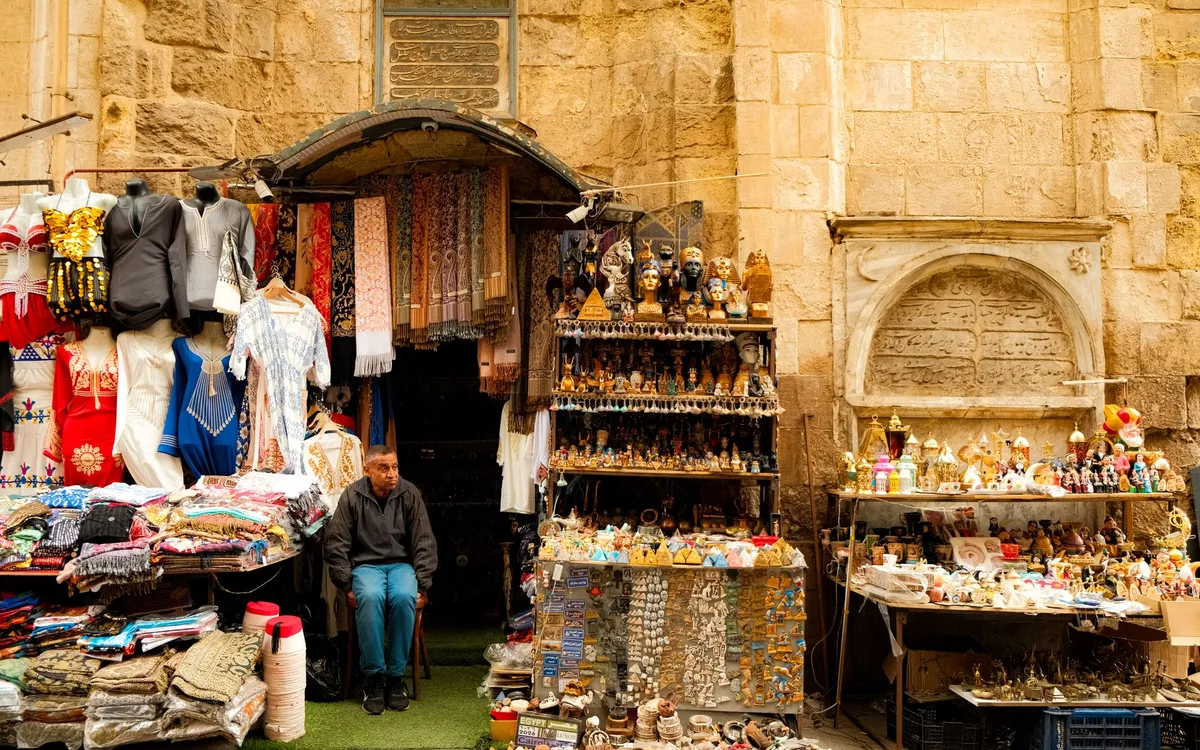
Khan el-Khalili Guide: Cairo's Historic Bazaar and How to Visit
Khan el-Khalili is Cairo's great medieval bazaar — a labyrinth of lantern-lit alleys, craftsmen, spice stalls and the legendary El Fishawy café.
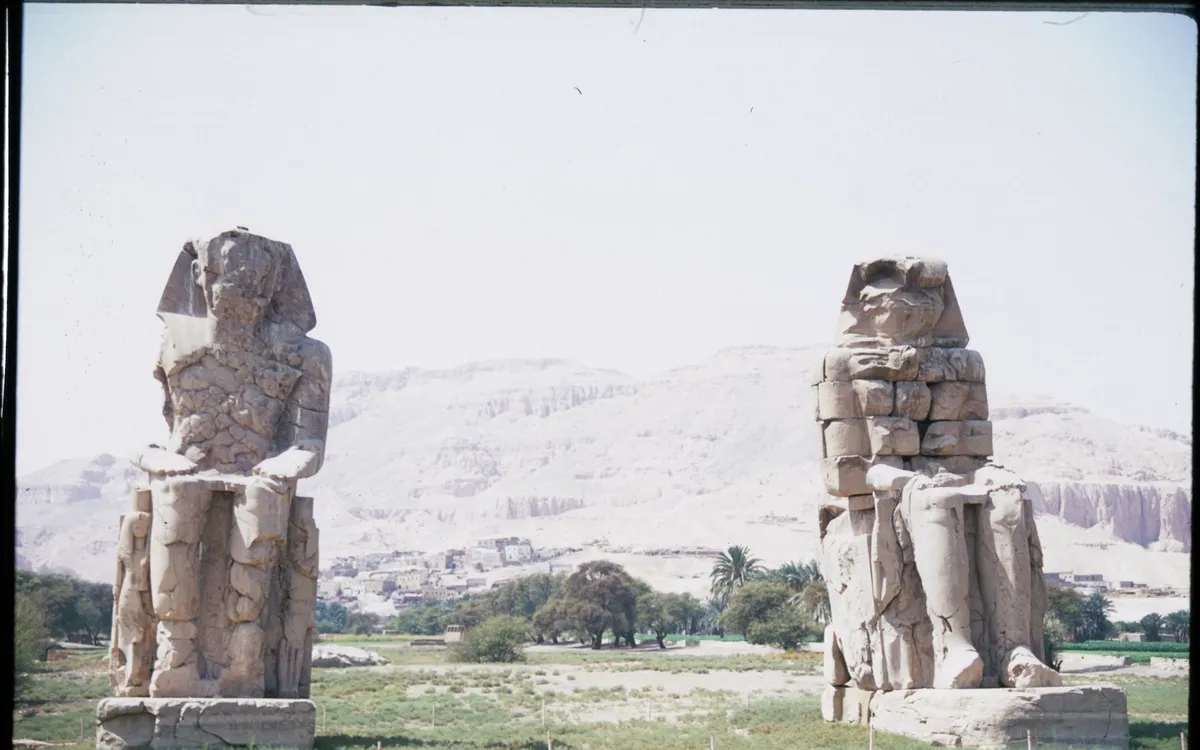
Colossi of Memnon Guide: Luxor's Twin Giants on the West Bank
Two colossal statues of Amenhotep III guard the road to Luxor's West Bank — a free, dramatic first stop on any tombs-and-temples day.