Great Sphinx of Giza Guide: History, Mystery and How to Visit
A Great Sphinx of Giza guide: the history and enigma of the lion-bodied guardian, what you see, combined pyramid tickets, access, timing and practical tips.
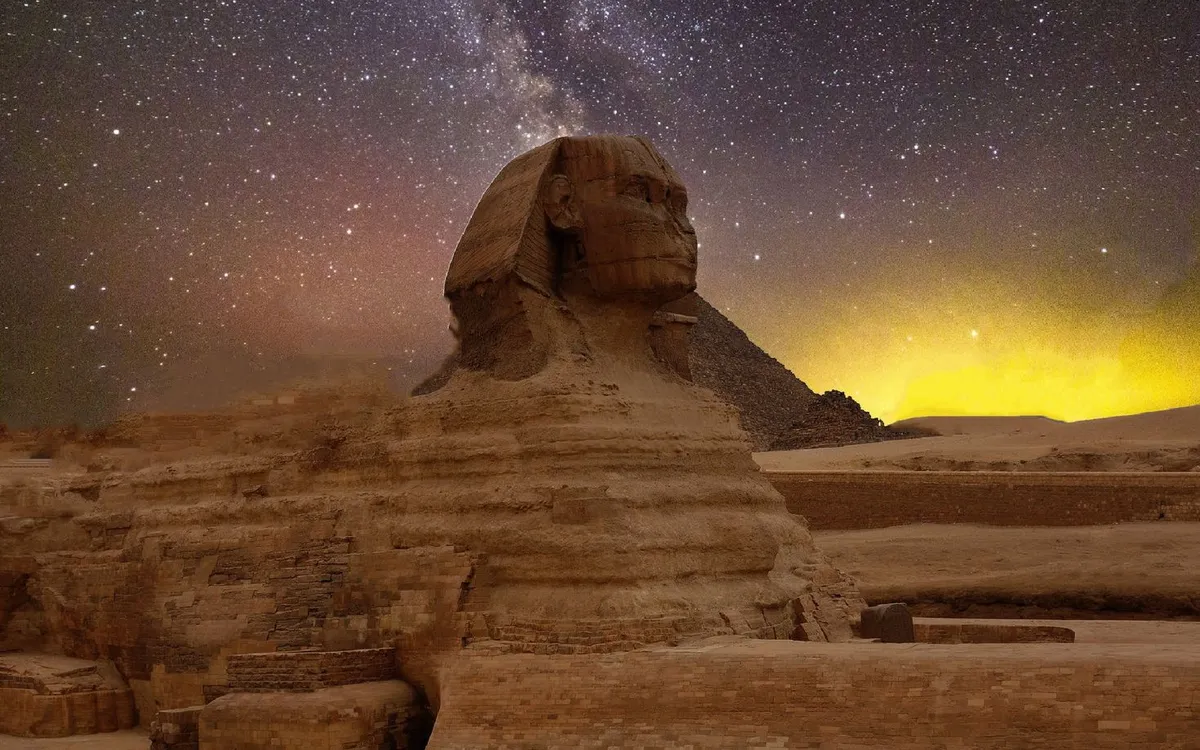
Crouched at the edge of the Giza plateau, gazing east toward the rising sun, the Great Sphinx has fascinated travellers for more than four thousand years. With the body of a lion and the face of a king, it is the largest monolithic statue surviving from the ancient world and the silent companion of the pyramids behind it. This guide covers what the Sphinx is, the riddles that surround it, and how to see it during your visit to Giza.
What the Great Sphinx is and why it matters
The Great Sphinx is a colossal limestone figure carved directly from the bedrock of the Giza plateau, measuring roughly 73 metres long and about 20 metres high. It depicts a recumbent lion with a human head wearing the royal nemes headdress, a combination that fused the strength of the lion with the authority of the pharaoh.
Most Egyptologists associate the monument with the Fourth Dynasty pharaoh Khafre, builder of the second great pyramid, and date it to around 2500 BCE. The face is widely thought to represent Khafre himself, watching over the royal necropolis. As a guardian figure, the Sphinx embodied solar and royal power, and in later periods it was venerated as a sacred god in its own right.
What you see at the site
A visit to the Sphinx is woven into the wider Giza plateau, but the monument has its own distinct viewing area:
- The Sphinx itself — best seen from the terrace and the old causeway, where you can take in the full profile against the pyramids.
- The Sphinx Temple and Valley Temple — the ruined stone temples at the statue’s feet, built of massive limestone and granite blocks.
- The missing nose and beard — the famous damage to the face, long the subject of legend; fragments of the ceremonial beard are held in museum collections.
- The “Dream Stele” — a granite slab set between the paws, recording an ancient story of the prince who cleared the Sphinx of sand and later became pharaoh.
Tip: line up your photo from the viewing terrace so the Sphinx sits in the foreground with the Pyramid of Khafre rising directly behind it — it is the classic Giza shot and far easier from this angle than down among the temples.
Tickets and opening hours
The Sphinx stands within the Giza Pyramids archaeological zone, so entry is covered by the general plateau ticket rather than a separate fee in most cases. The site is open daily, with hours that shift by season, so confirm the current schedule before you go. Tickets are managed by the Ministry of Tourism and Antiquities and sold at the plateau gates or through official operators — check current prices on arrival rather than relying on figures that change.
A separate evening Sound and Light show is staged facing the Sphinx; it runs on its own timetable and ticket, so verify showtimes and language sessions in advance.
Getting there and how long to stay
The Sphinx sits at the eastern foot of the Giza plateau, on the edge of the Cairo suburb of Giza, easily reached by taxi or ride-hailing app from central Cairo in around 30 to 45 minutes depending on traffic.
| Practicality | What to know |
|---|---|
| Location | Eastern edge of the Giza plateau |
| Time needed | 30 to 60 minutes (Sphinx area) |
| Combined with | The Great Pyramids of Giza |
| Best light | Early morning or late afternoon |
Most visitors see the Sphinx as part of a half-day on the plateau that also takes in the three great pyramids. Allow around 30 to 60 minutes at the Sphinx terrace and temples, and a full two to three hours for the whole plateau.
Best time to visit and practical tips
The cooler months and the early morning are ideal, both for comfort and for softer light on the limestone. Arriving near opening time also means thinner crowds and shorter queues at the gate. Bring water, sun protection, a hat and comfortable shoes for the sandy, uneven ground.
Be ready for persistent vendors and camel handlers around the plateau; agree any price clearly in advance or simply decline. For help combining the Sphinx and pyramids with the rest of Cairo, see our plan your trip page. Stand for a moment on the terrace and let the scale settle — a lion the size of a building, carved before recorded history, still keeping watch over the desert.
Great Sphinx of Giza Guide: History, Mystery and How to Visit
Skip the queues and secure your spot — book your tickets and tours through our trusted partner Tiqets.
Check tickets on TiqetsTickets & activities in Giza
Some links on EgyptInterActive are affiliate links: if you book through them we may earn a commission, at no extra cost to you. It never changes our recommendations.
Keep reading
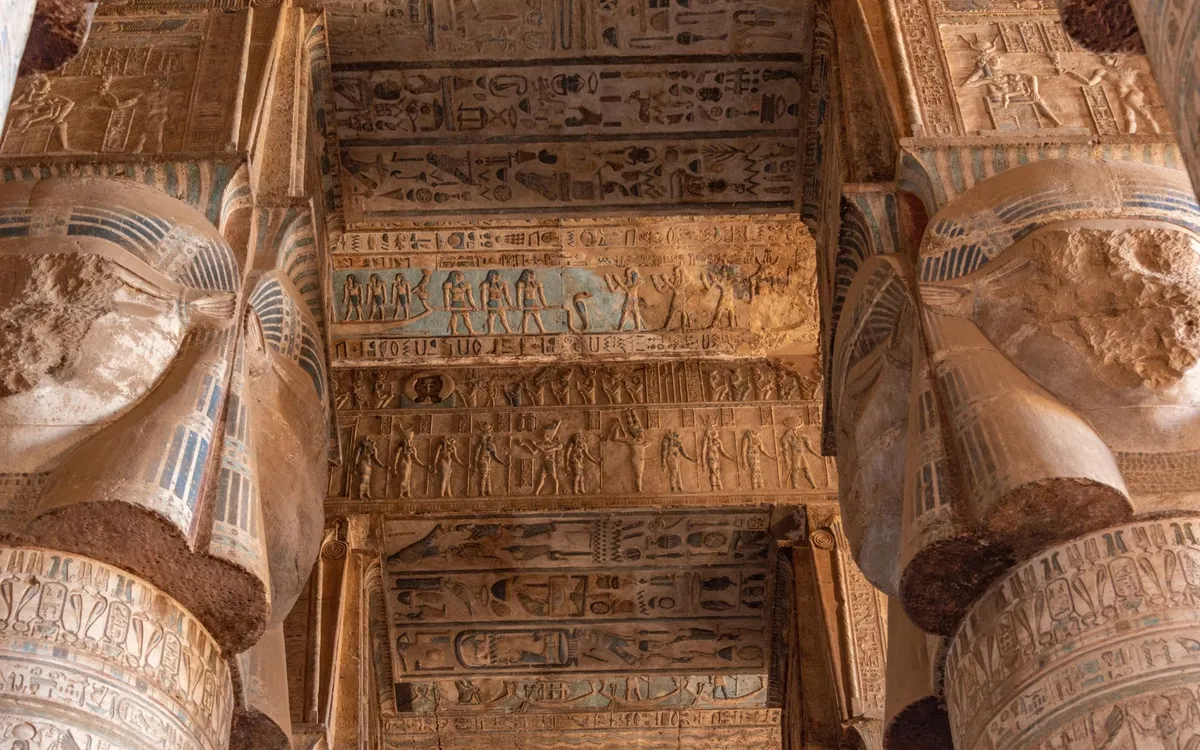
Dendera Temple Guide: Hathor's Temple and Its Painted Ceiling
Dendera dazzles with restored colour and a star-painted ceiling — one of Egypt's most complete temples, dedicated to the goddess Hathor.
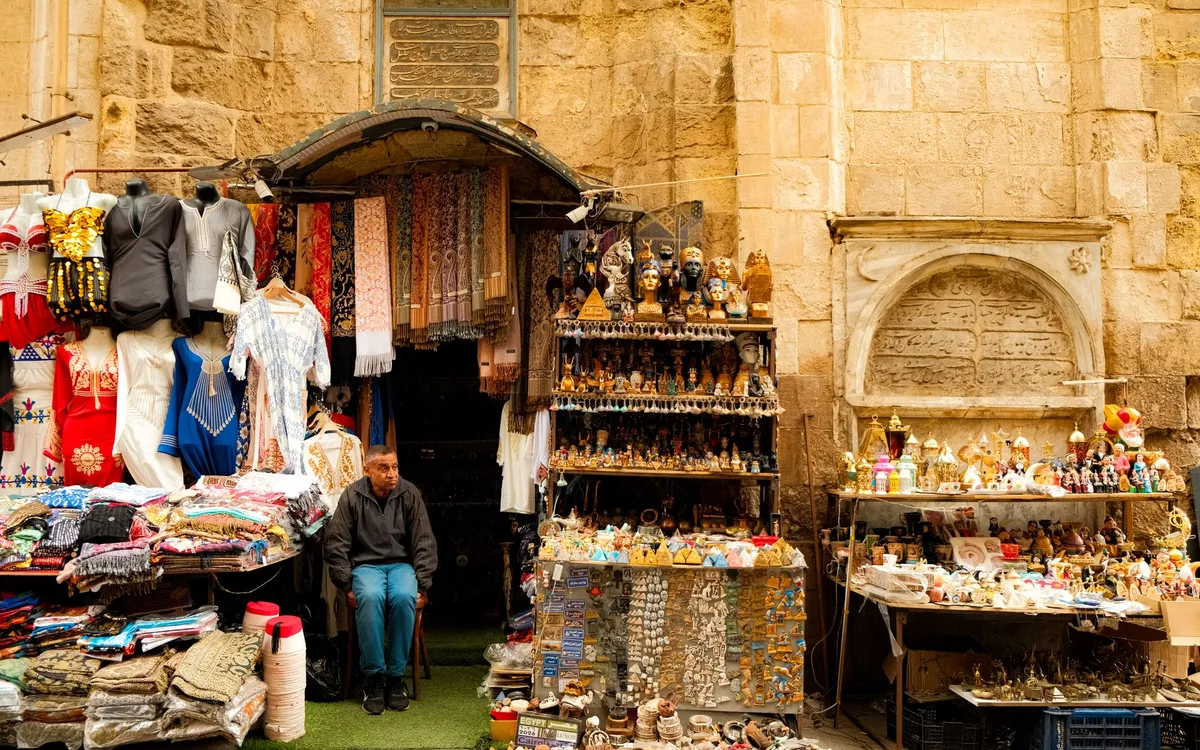
Khan el-Khalili Guide: Cairo's Historic Bazaar and How to Visit
Khan el-Khalili is Cairo's great medieval bazaar — a labyrinth of lantern-lit alleys, craftsmen, spice stalls and the legendary El Fishawy café.
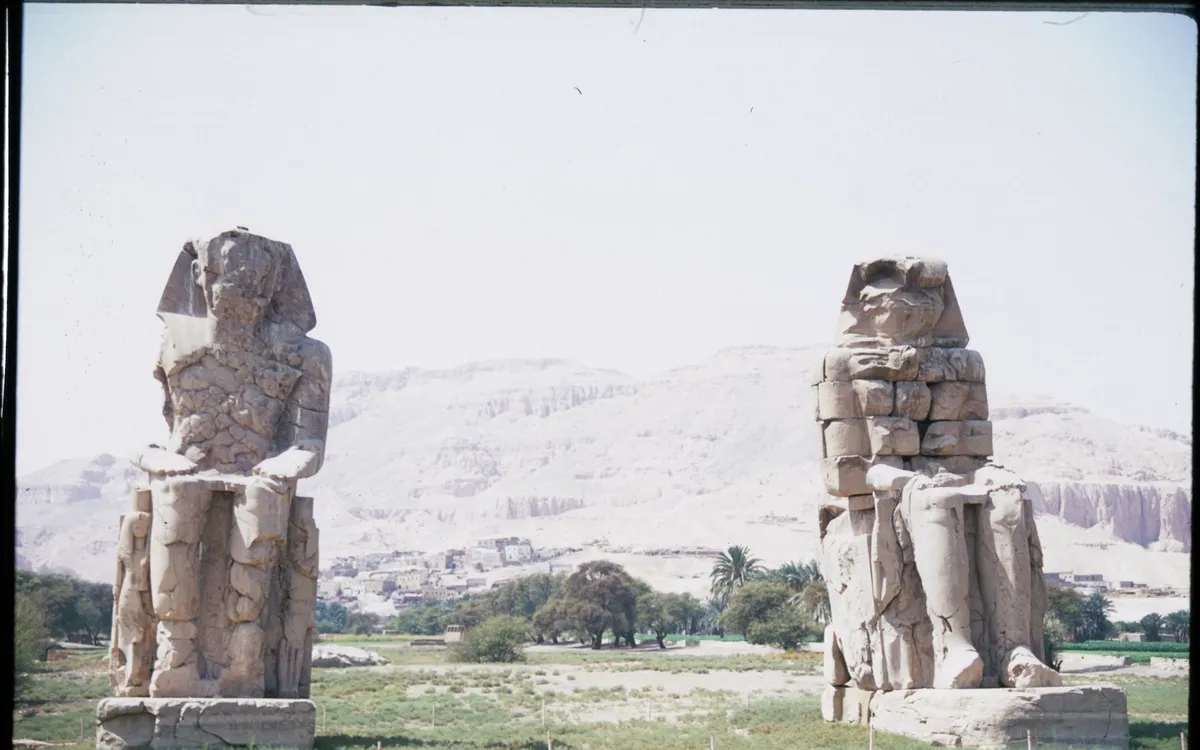
Colossi of Memnon Guide: Luxor's Twin Giants on the West Bank
Two colossal statues of Amenhotep III guard the road to Luxor's West Bank — a free, dramatic first stop on any tombs-and-temples day.