Deir el-Medina: The Workers' Village of Luxor's Tomb Builders
Deir el-Medina guide: the ancient village of the artisans who built the royal tombs, with painted tombs, a Hathor temple, what to see and visiting tips.
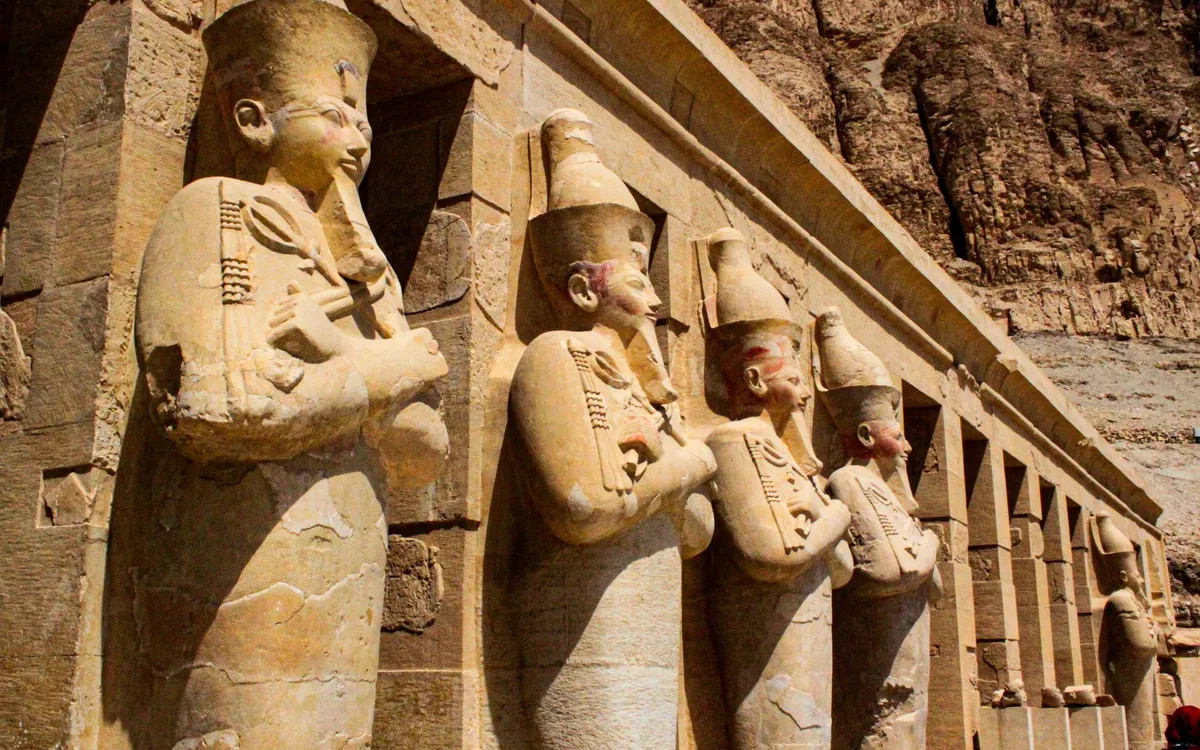
Most visitors to Luxor’s West Bank come for kings and gods, but at Deir el-Medina you meet the people who actually built the royal tombs. This was the home of the skilled artisans, draughtsmen and stonecutters who created the Valley of the Kings, and their own village and tombs survive in extraordinary detail. It is one of the most human and intimate sites in all of Egypt.
What Deir el-Medina is and why it matters
Deir el-Medina was the settlement of the workmen who excavated and decorated the royal tombs of the New Kingdom. Tucked into a small valley behind the Theban hills, the village housed generations of these specialised craftsmen and their families, kept close to their secret work and away from the river.
Because the community was literate and meticulous, it left behind an astonishing wealth of written records — work rosters, letters, court records, even details of strikes and daily disputes — scratched onto pottery and stone. These finds make Deir el-Medina one of the richest sources we have for understanding everyday life in ancient Egypt, not just its kings.
The Arabic name, meaning “monastery of the town,” comes from a much later period when the site’s temple was reused. The ancient inhabitants knew their village by other names entirely.
What you will see
The site has three main components: the ruined village, the decorated tombs of the workers, and a small later temple.
- The village ruins, where you can still trace the layout of narrow streets and modest stone-and-mud-brick houses.
- The painted tombs of the artisans, small in scale but exquisitely decorated — these were the people who knew best how to paint a tomb.
- The Ptolemaic temple of Hathor, a compact and well-preserved temple built long after the village was abandoned.
- The surrounding hillsides, dotted with chapels and the small pyramid-topped tomb chapels the workers built for themselves.
Tip: a separate ticket is usually needed for the decorated tombs, and only a limited number are open at a time to protect the paintings. Photography rules can be strict, so ask at the entrance and follow the guards’ guidance.
Tickets and opening hours
Deir el-Medina is a ticketed site with daytime opening hours, generally running from morning to late afternoon. Entry to the temple area and access to the painted tombs are often covered by separate tickets, so check what each one includes.
Buy tickets at the official West Bank ticket office or on-site rather than relying on figures that change, and ask your guide or hotel which tombs are currently open before you go. Limited tomb access means it pays to arrive informed.
Getting there and how long to spend
Deir el-Medina lies in a small valley on the West Bank, between the Valley of the Queens and the Ramesseum, easily combined with the area’s larger monuments.
| Detail | What to know |
|---|---|
| Location | West Bank of Luxor, behind the Theban hills |
| Typical visit length | 45 minutes to 1.5 hours |
| Usual base | Luxor |
| Combine with | Valley of the Queens, Ramesseum, Medinet Habu |
Reach it by private driver, taxi or organised tour as part of a West Bank day. The walk in and around the village involves uneven ground and some climbing to the tombs, so wear sturdy shoes. Our plan your trip page can help you slot Deir el-Medina into a balanced itinerary.
Best time to visit and practical tips
Visit in the morning when it is cooler, and aim for the autumn-to-spring season for the most comfortable temperatures. The painted tombs are small and can feel warm and close inside, so move through them steadily and respect any limits on numbers.
Deir el-Medina rewards curiosity. Where the great temples celebrate gods and pharaohs, this quiet village tells the story of the ordinary, extraordinary people behind them — making it one of the most thought-provoking stops on Luxor’s West Bank.
Deir el-Medina: The Workers' Village of Luxor's Tomb Builders
Skip the queues and secure your spot — book your tickets and tours through our trusted partner Tiqets.
Check tickets on TiqetsTickets & activities in Luxor
Some links on EgyptInterActive are affiliate links: if you book through them we may earn a commission, at no extra cost to you. It never changes our recommendations.
Keep reading
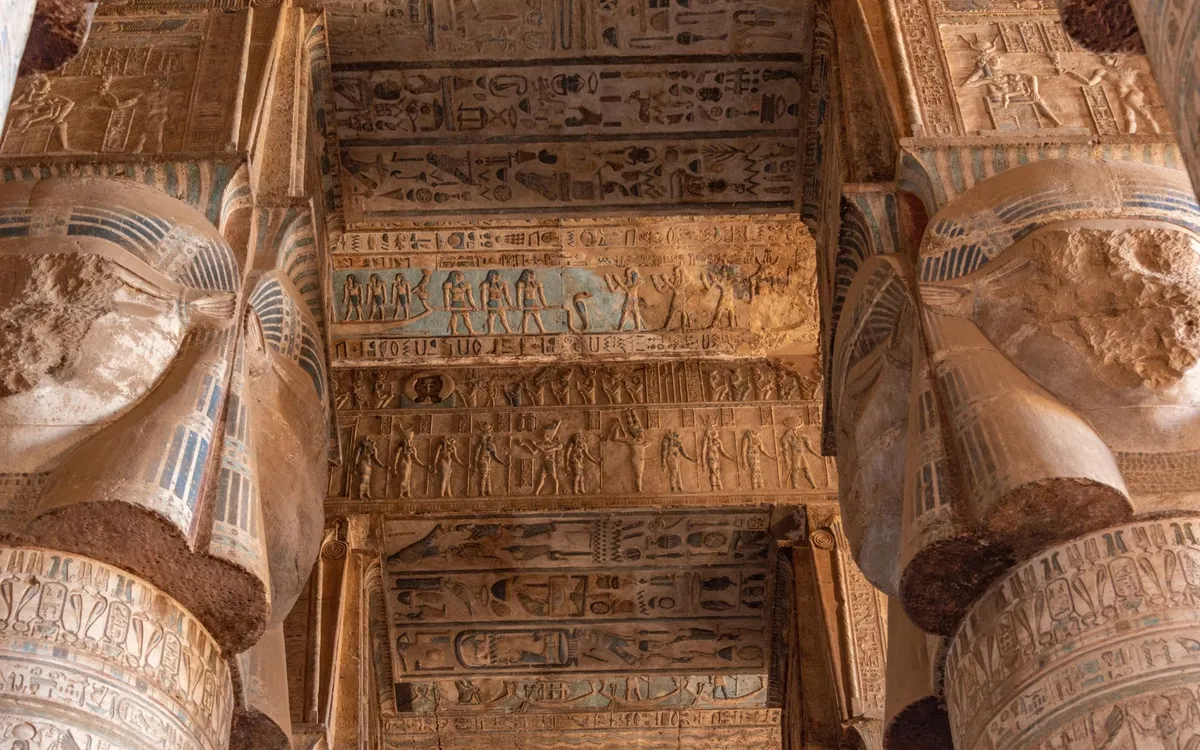
Dendera Temple Guide: Hathor's Temple and Its Painted Ceiling
Dendera dazzles with restored colour and a star-painted ceiling — one of Egypt's most complete temples, dedicated to the goddess Hathor.
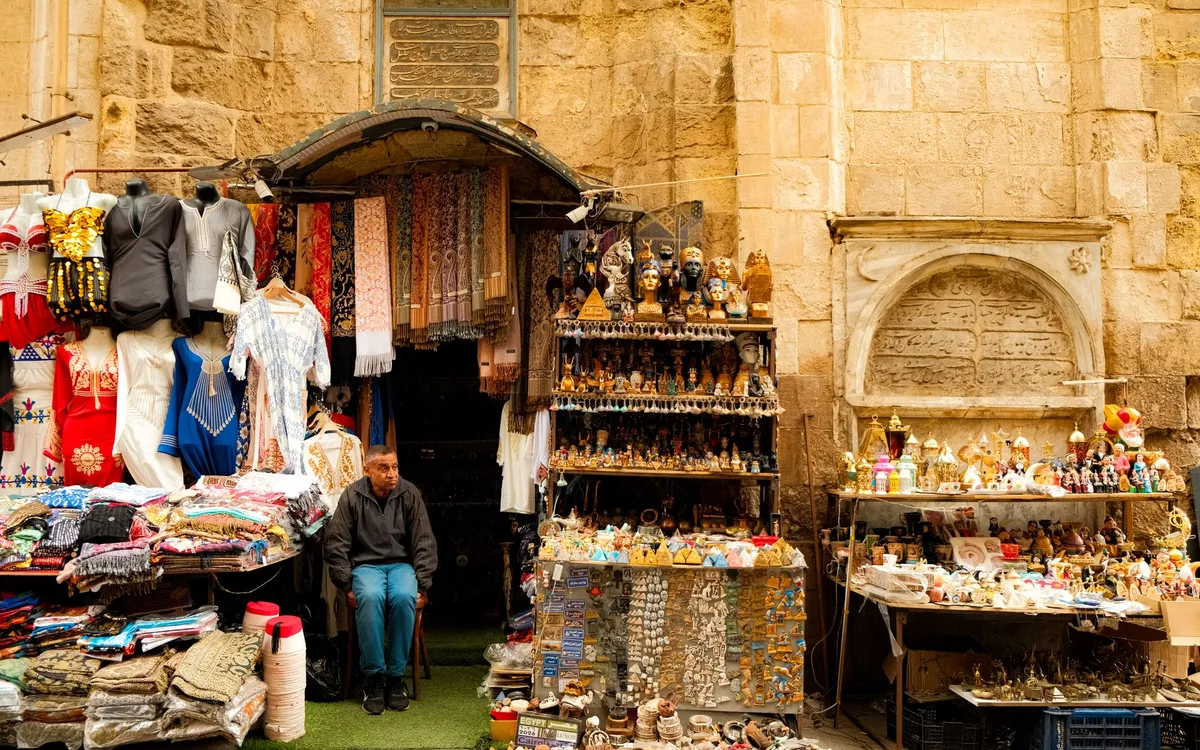
Khan el-Khalili Guide: Cairo's Historic Bazaar and How to Visit
Khan el-Khalili is Cairo's great medieval bazaar — a labyrinth of lantern-lit alleys, craftsmen, spice stalls and the legendary El Fishawy café.
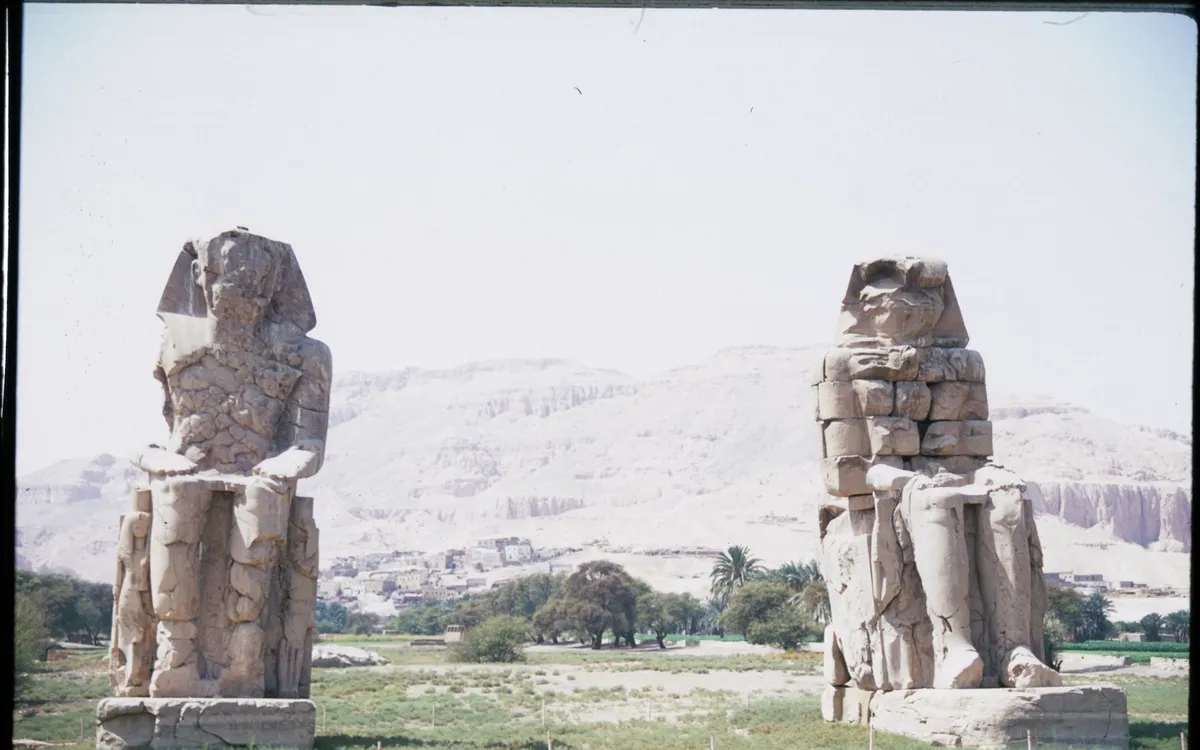
Colossi of Memnon Guide: Luxor's Twin Giants on the West Bank
Two colossal statues of Amenhotep III guard the road to Luxor's West Bank — a free, dramatic first stop on any tombs-and-temples day.