Al-Azhar Mosque & Islamic Cairo Guide: The Thousand-Year University
An Al-Azhar Mosque and Islamic Cairo guide: the millennium-old mosque and university, Al-Muizz Street, minarets, what to see, tickets, access and timing.
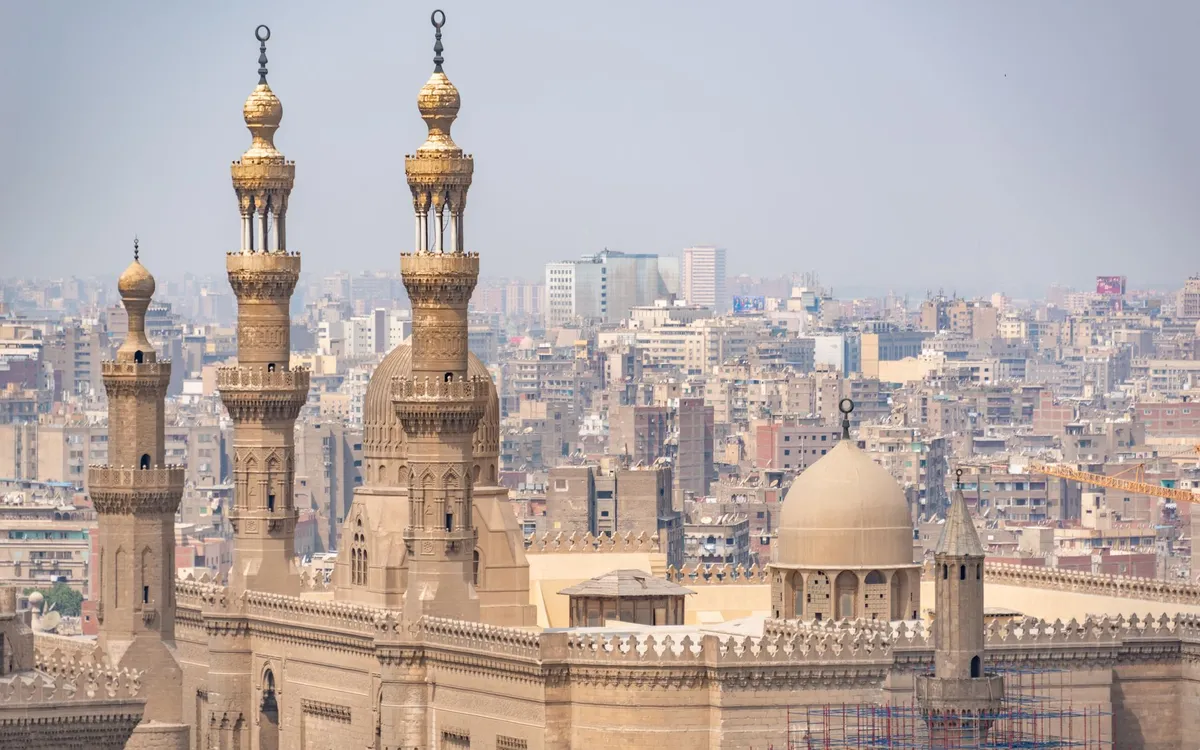
In the dense heart of medieval Cairo stands Al-Azhar, a mosque and university that has been a centre of learning for more than a thousand years. Around it stretches Islamic Cairo, one of the densest concentrations of medieval Islamic architecture anywhere, threaded by the historic spine of Al-Muizz Street. This guide covers Al-Azhar itself and the living medieval quarter that surrounds it, with practical advice for exploring on foot.
What Al-Azhar is and why it matters
The Mosque of Al-Azhar was founded in the late 10th century, in the early years of the Fatimid city of Cairo, as the new capital’s great congregational mosque. Soon afterwards it developed into a teaching institution, and Al-Azhar University is widely regarded as one of the oldest continuously operating universities in the world and a leading seat of Sunni Islamic scholarship.
Over a millennium, successive dynasties enlarged and embellished it, adding gates, prayer halls and minarets of different eras, so that the building reads almost like a textbook of Cairene architecture. It remains an active mosque, a working university and a spiritual landmark for the wider Muslim world — history that is still very much alive.
What you see at Al-Azhar and in Islamic Cairo
Al-Azhar sits at the centre of a walkable district full of monuments:
- The courtyard and prayer halls of Al-Azhar — a serene marble court framed by arcades, with several minarets rising above the gates.
- Al-Muizz Street (Al-Muizz li-Din Allah) — the medieval main street, lined with mosques, madrasas, fountains and merchant houses, especially atmospheric in the evening.
- Khan el-Khalili — the famous bazaar just across from Al-Azhar, with coppersmiths, spice sellers and the historic Fishawi café.
- The Mosque of al-Hakim, Bab al-Futuh and Bab Zuweila — great Fatimid gates and mosques at either end of the historic axis.
Tip: walk Al-Muizz Street from north to south in the late afternoon. As the light fades the restored facades are floodlit, the lanes cool down, and the whole medieval city takes on a glow that daytime heat and crowds tend to hide.
Tickets and opening hours
Al-Azhar Mosque is an active place of worship and is generally open to visitors outside prayer times, often without an entry charge, though donations and modest dress are expected. Hours can shift around prayers and Friday services, so visit between prayer times and be discreet if worshippers are present. Many of the surrounding monuments along Al-Muizz Street are ticketed individually or by combined pass, managed by the Ministry of Tourism and Antiquities — check current arrangements and prices locally rather than relying on figures that change.
Dress modestly with shoulders and knees covered; women should bring a scarf for the head, and everyone removes their shoes to enter the prayer hall.
Getting there and how long to stay
Al-Azhar lies in the historic centre, easily reached by taxi or ride-hailing app, with the area best explored entirely on foot once you arrive.
| Practicality | What to know |
|---|---|
| Location | Islamic Cairo, beside Khan el-Khalili |
| Time needed | Half a day on foot |
| Dress code | Modest; scarf and shoes off in the mosque |
| Best paired with | Al-Muizz Street, Khan el-Khalili |
Allow at least half a day. You can see Al-Azhar in under an hour, but the real reward is wandering Al-Muizz Street and the bazaar around it, dipping into mosques and madrasas as you go.
Best time to visit and practical tips
The cooler months and the late afternoon into evening are ideal, both for comfort and for the floodlit street. Wear comfortable shoes for uneven paving, carry small cash for entry donations and tea, and be ready for friendly but persistent shopkeepers in the bazaar — browsing and bargaining are part of the experience.
For help threading Islamic Cairo together with Coptic Cairo and the Citadel, see our plan your trip page. Pause in the courtyard of Al-Azhar, where students have gathered for a thousand years, and you feel the unbroken continuity of a city that has never stopped teaching, praying and trading.
Al-Azhar Mosque & Islamic Cairo Guide: The Thousand-Year University
Skip the queues and secure your spot — book your tickets and tours through our trusted partner Tiqets.
Check tickets on TiqetsTickets & activities in Cairo
Some links on EgyptInterActive are affiliate links: if you book through them we may earn a commission, at no extra cost to you. It never changes our recommendations.
Keep reading
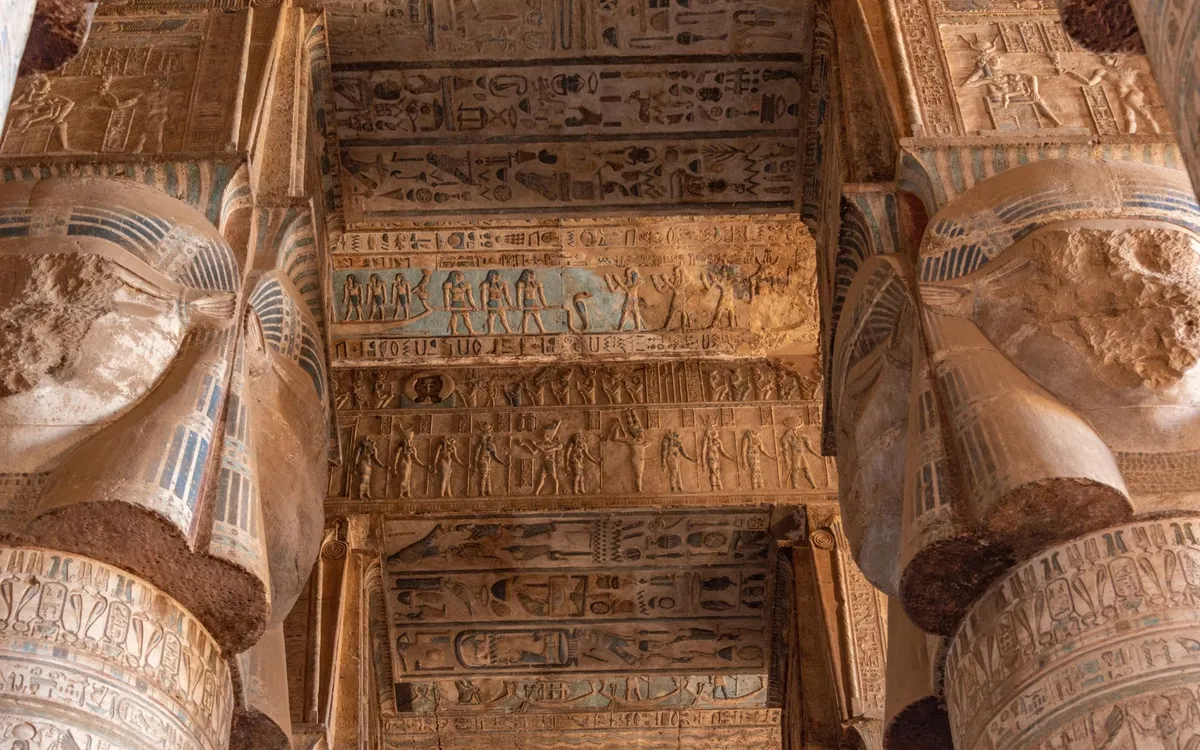
Dendera Temple Guide: Hathor's Temple and Its Painted Ceiling
Dendera dazzles with restored colour and a star-painted ceiling — one of Egypt's most complete temples, dedicated to the goddess Hathor.
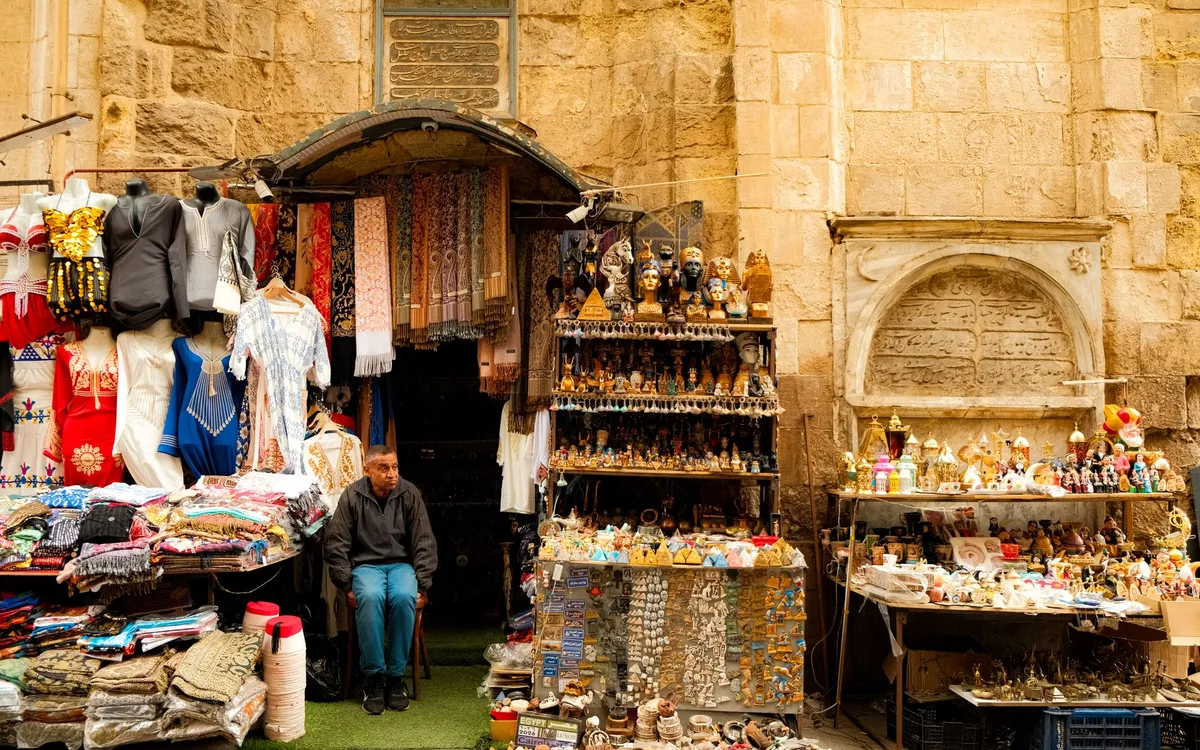
Khan el-Khalili Guide: Cairo's Historic Bazaar and How to Visit
Khan el-Khalili is Cairo's great medieval bazaar — a labyrinth of lantern-lit alleys, craftsmen, spice stalls and the legendary El Fishawy café.
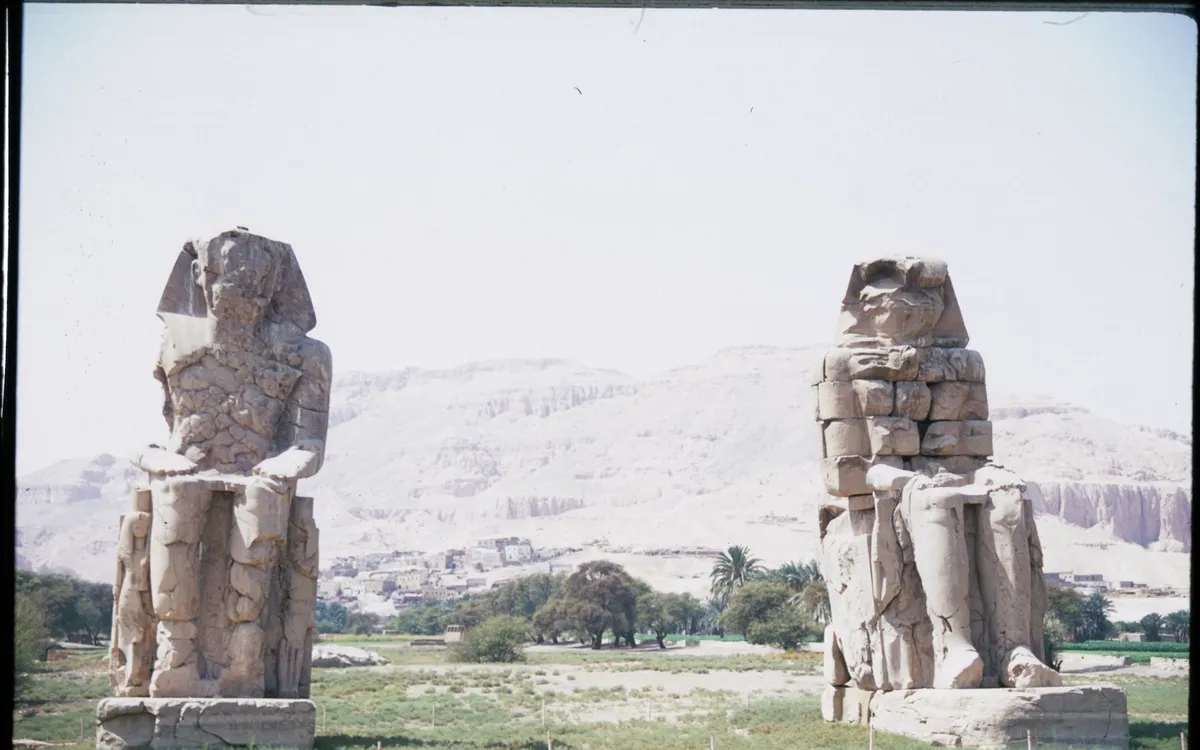
Colossi of Memnon Guide: Luxor's Twin Giants on the West Bank
Two colossal statues of Amenhotep III guard the road to Luxor's West Bank — a free, dramatic first stop on any tombs-and-temples day.