Dahabiya Nile Cruise: The Slow, Small-Boat Way to Sail Egypt
A dahabiya Nile cruise guide — what a traditional sailing boat is, who it suits, how it differs from large cruise ships, and why slow travellers love it.

If the idea of a floating hotel with a buffet and a busy sun deck doesn’t appeal, there’s another way to sail the Nile entirely. A dahabiya is a small traditional sailing boat — a few cabins, billowing sails, and a pace set by the wind rather than an engine. This guide explains what a dahabiya cruise is, how it differs from the big ships, and whether it’s the right choice for you.
What is a dahabiya?
A dahabiya (also spelled dahabeya or dahabiyya) is a shallow-draught sailing vessel that has carried travellers up the Nile since the nineteenth century. The name means “the golden one.” Modern versions revive that golden-age style: timber decks, two tall lateen sails, and an intimate scale.
Where a standard cruise ship carries a hundred or more passengers, a dahabiya typically has between four and ten cabins. It is closer to a private yacht than a hotel — often chartered by a single group or shared among a small handful of guests.
How it differs from a large cruise ship
The contrast is the whole appeal. A big ship is comfortable, social and efficient; a dahabiya is quiet, personal and unhurried.
| Feature | Large cruise ship | Dahabiya |
|---|---|---|
| Passengers | 100+ | Roughly 8–20 |
| Movement | Engine-driven | Sails (with a tow when needed) |
| Atmosphere | Lively, hotel-like | Calm, intimate |
| Stops | Major temples, busy docks | Temples plus quiet islands |
| Pace | Scheduled, brisk | Slow, weather-led |
Because a dahabiya is small and light, it can moor at sandbanks and islands the big boats can’t reach — a quiet picnic on a deserted shore, or a swim off the deck far from any town. The trade-off is fewer onboard facilities: no pool, no nightly entertainment, no buffet line. You’re paying for intimacy and silence, not amenities.
Tip: dahabiyas rely on wind, so itineraries are gently flexible. Embrace it — the unpredictability is part of the experience. If you need a rigid, minute-by-minute schedule, a motor cruiser will suit you better.
What you see and where it sails
A dahabiya covers the same legendary stretch as the larger boats — Luxor to Aswan or the reverse — calling at Esna, Edfu and Kom Ombo along the way. But it adds the things only a small boat can: mooring beside a farming village, sailing past banks where life has barely changed in centuries, and stopping at minor sites the cruise crowds skip.
Days tend to follow the river’s own rhythm: an early temple visit before the heat, long lazy hours under sail, a swim, and dinner on deck under the stars. With so few passengers, meals are often freshly cooked to order rather than served from a buffet.
Who a dahabiya cruise is for
A dahabiya isn’t for everyone, and that’s fine. It suits:
- Couples wanting a romantic, screen-free escape.
- Slow travellers who value atmosphere over ticking off sights quickly.
- Small groups and families chartering the whole boat for privacy.
- Repeat visitors who’ve done the classic cruise and want something different.
It’s less ideal for travellers who want lots of onboard activity, a big social scene, or guaranteed adherence to a tight timetable. Solo travellers can join shared sailings, though availability is narrower than on the big ships.
When to go and how to book
The comfortable season is the same as for any Nile cruise — roughly October to April — but a dahabiya is especially rewarding in the cooler months, when long hours on an open deck are a pleasure rather than an endurance test. Wind is more reliable in some seasons than others; a good operator will advise honestly.
Because there are so few cabins, popular dahabiyas book up well in advance, particularly around the winter peak. When comparing options, ask about the number of cabins, whether the trip is a private charter or shared, what’s included (guiding, entry fees, drinks), and how the boat handles windless days. Reputable operators are transparent about all of this.
For ideas on combining a slow Nile sail with the rest of Egypt, see our plan your trip page. A dahabiya won’t get you there fastest — but if you want the Nile the way travellers met it a century ago, quietly and on the water’s terms, it’s hard to beat.
Dahabiya Nile Cruise: The Slow, Small-Boat Way to Sail Egypt
Skip the queues and secure your spot — book your tickets and tours through our trusted partner Tiqets.
Check tickets on TiqetsTickets & activities in Luxor
Some links on EgyptInterActive are affiliate links: if you book through them we may earn a commission, at no extra cost to you. It never changes our recommendations.
Keep reading
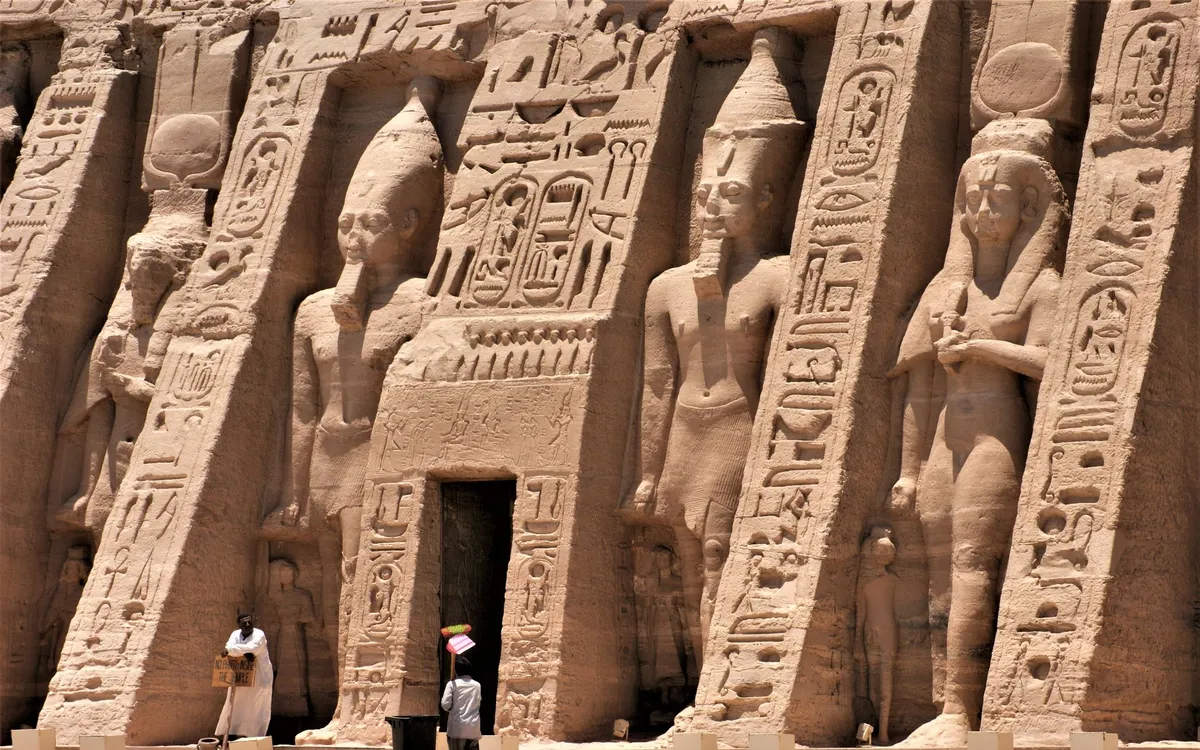
Lake Nasser Cruise: Egypt's Overlooked Sail to Abu Simbel
The Nile cruise almost nobody books — rescued Nubian temples, a quiet desert lake, and Abu Simbel from the water at dawn.
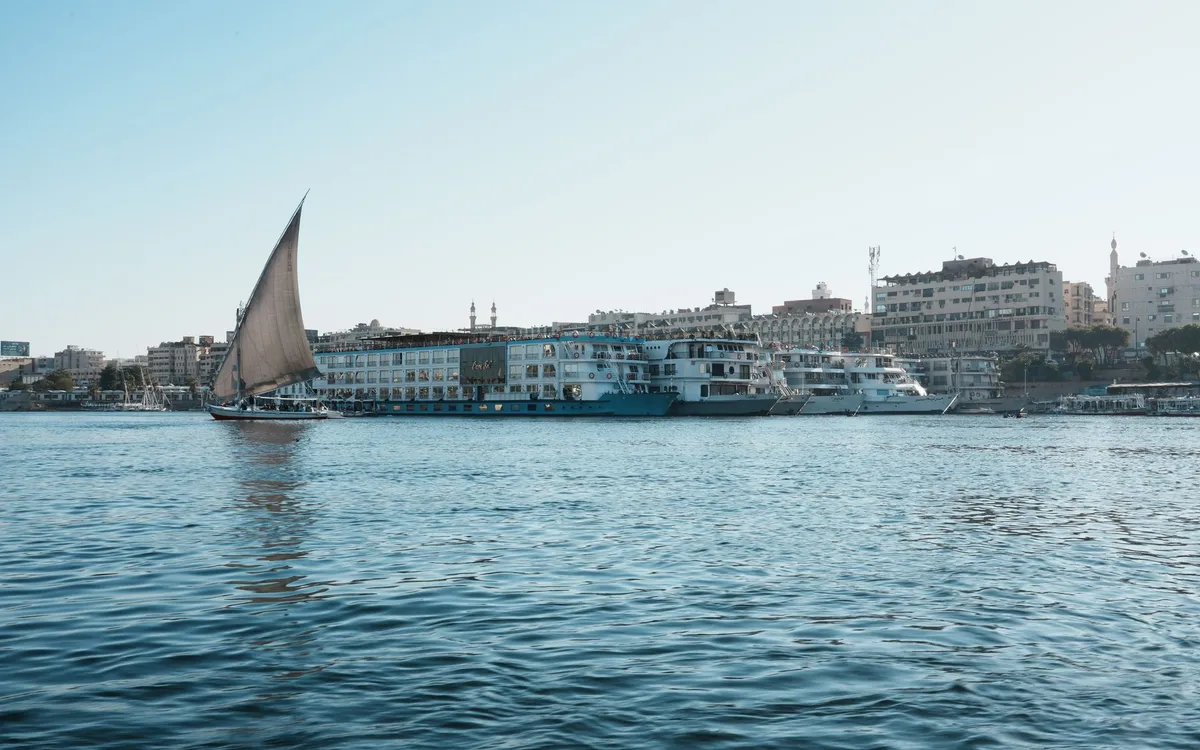
Best Nile Cruise: How to Choose Between Luxor and Aswan Sailings
Routes, durations, stops and boat types — a practical guide to picking the Nile cruise that actually fits the trip you want.